Static-protective inner liners are classified by IEC 61340-4-4 into L1, L1C, L2 and L3. Getting the liner/ bag combination wrong is a genuine explosion risk — not a cosmetic choice. This page sets out the definitions and the permitted combinations, so you can specify with confidence.
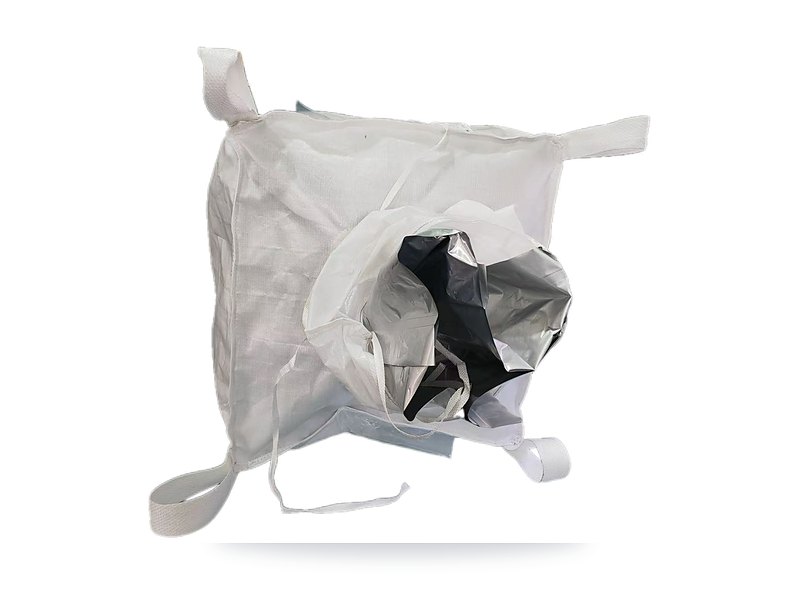
The term is liner — the inner bag inserted into a bulk bag to give a moisture, dust or static barrier. It is sometimes misheard as “linear bag”. L1, L1C, L2 and L3 describe the liner’s static-protective class; they are independent of the FIBC bag type (A, B, C or D), although the two must be combined correctly.
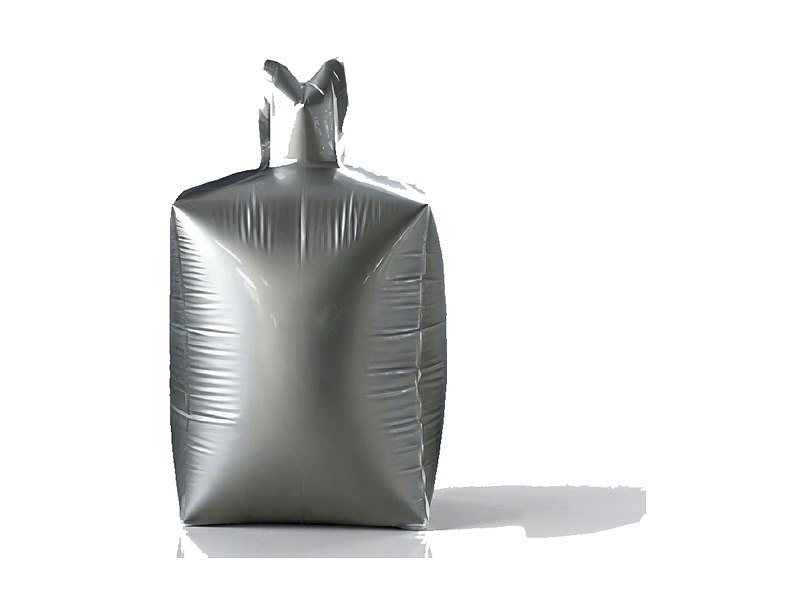
PE, foil or composite film for moisture, oxygen and contamination control.
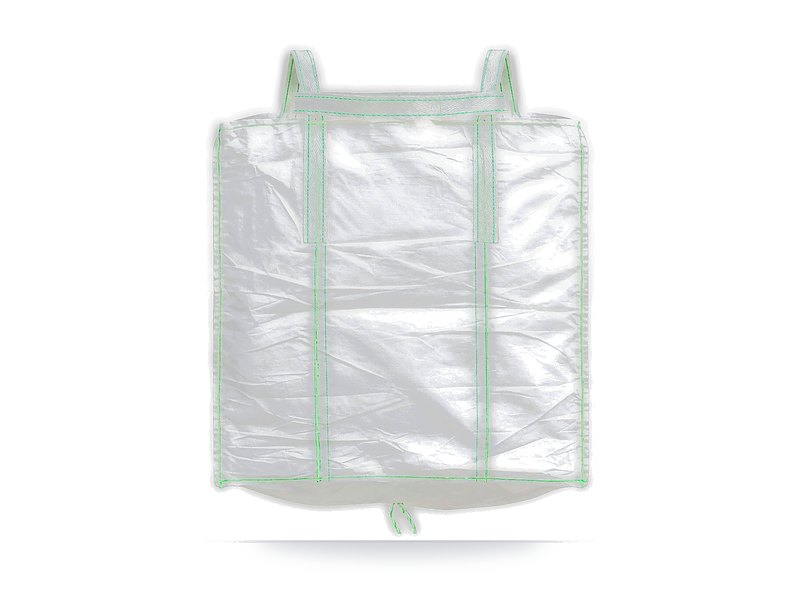
Food-contact PE liners with migration and heavy-metal test files.
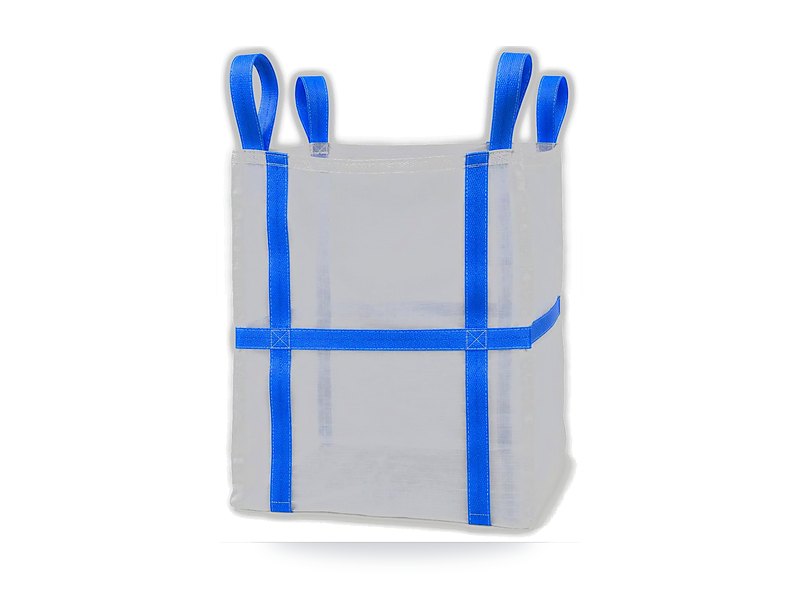
L1, L1C, L2, L3 — the classes explained on this page.
Surface resistivity is measured on the film; breakdown voltage (BV) limits are what prevent propagating brush discharges.
| Liner class | What it is | Surface resistivity | Breakdown voltage | Used in |
|---|---|---|---|---|
| L1 (conductive) | Film with at least one surface layer that conducts | ≤ 1.0 × 10⁸ Ω on at least one surface | <4 kV if any layer >10¹² Ω | Type C (must be grounded) |
| L1C | Co-extruded multi-layer film with an internal conductive layer (often aluminium) | Internal conductive layer ≤ 1.0 × 10⁸ Ω | <4 kV if any surface >10¹² Ω | Type C (conductive layer bonded to ground) |
| L2 (antistatic) | General-purpose static-protective film | Between 1.0 × 10⁹ and 1.0 × 10¹² Ω | <4 kV if any surface >10¹² Ω | Type B, C and D |
| L3 | Insulating film with limited breakdown voltage | > 1.0 × 10¹² Ω | <4 kV required | Type B only |
Values summarised from IEC 61340-4-4. Confirm the specified liner class on your purchase order — a generic “antistatic liner” label is not enough.
Per IEC 61340-4-4 (Table 5). Using a non-permitted combination can create an isolated conductor — a leading cause of electrostatic explosions.
| FIBC type | L1 | L1C | L2 | L3 |
|---|---|---|---|---|
| Type B | ✗ Not permitted | ✗ Not permitted | ✓ Permitted | ✓ Permitted |
| Type C | ✓ Permitted | ✓ Permitted | ✓ Permitted | ✗ Not permitted |
| Type D | ✗ Not permitted | ✗ Not permitted | ✓ Permitted* | ✗ Not permitted |
* A Type D bag with an L2 liner must pass ignition testing as a combination. Type A bags are not used in flammable atmospheres, so liner class is not a safety requirement for them.
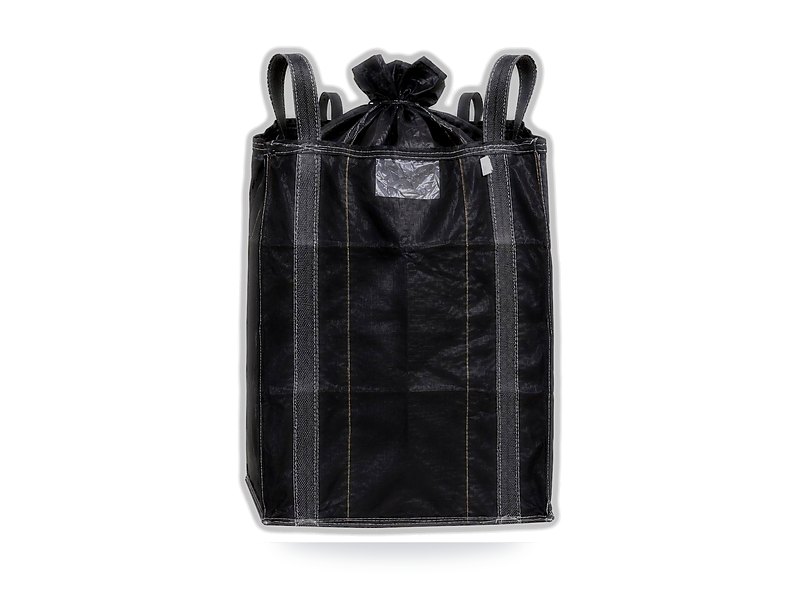
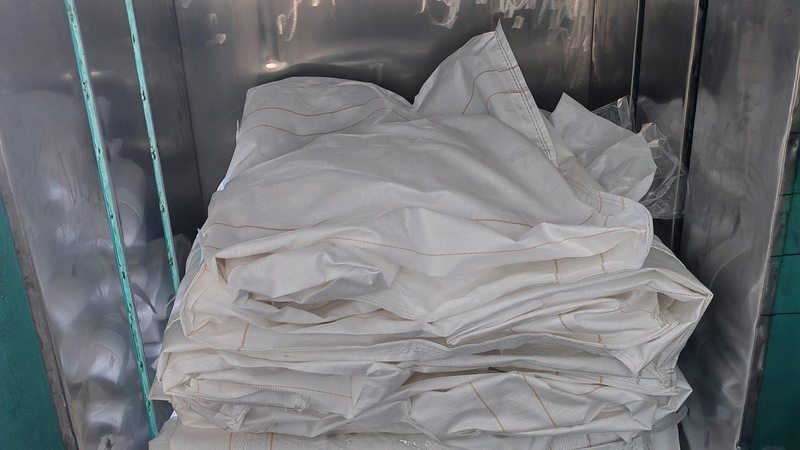
Note: a foil (aluminium) liner offers excellent moisture/oxygen barrier and is common in food and battery materials — but if it is used inside a non-grounded bag it must meet the L2 requirements. Never treat “foil = good barrier” as “foil = safe everywhere”.
If the bag is Type C, you can use L1, L1C or L2. If Type D, only L2. If Type B, L2 or L3.
L1/L1C need a reliable ground. Where grounding is impractical, use L2 in a Type B/D bag.
Moisture/oxygen barrier (foil or composite) is chosen separately — the barrier film must still meet its liner class.
Most suppliers quote only the bag type. The liner/ bag combination is where safety and performance are actually decided — and where the documentation must be explicit.
Send your specification
Tell us your material, bag type and grounding conditions. We'll confirm the correct liner class and supply the matching specification.