One product family, specified around your material. Browse by electrostatic type, construction, special feature or the industry you ship to.
The right type is decided by your material's minimum ignition energy and the work environment — confirmed by a safety engineer, not guessed.
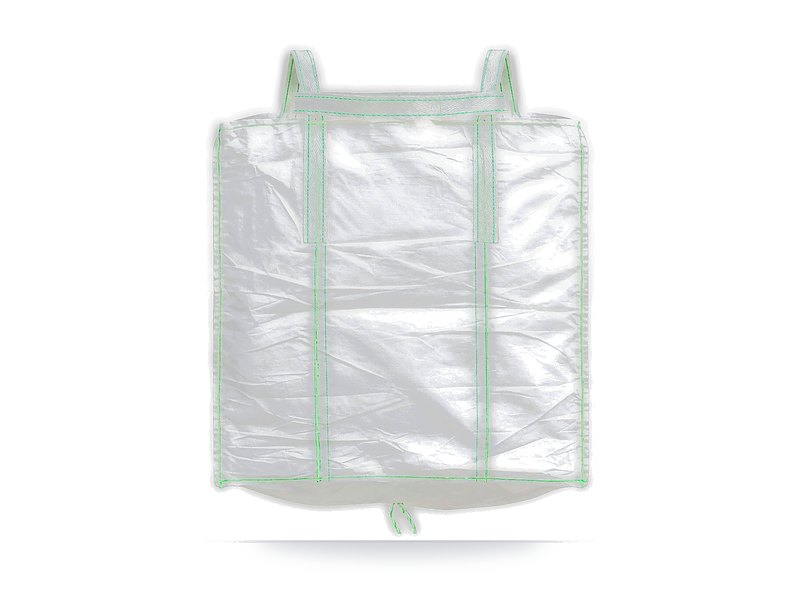
Plain PP, no electrostatic control. For non-flammable dry powders and granules only — not combustible dust or gas.
Full specification →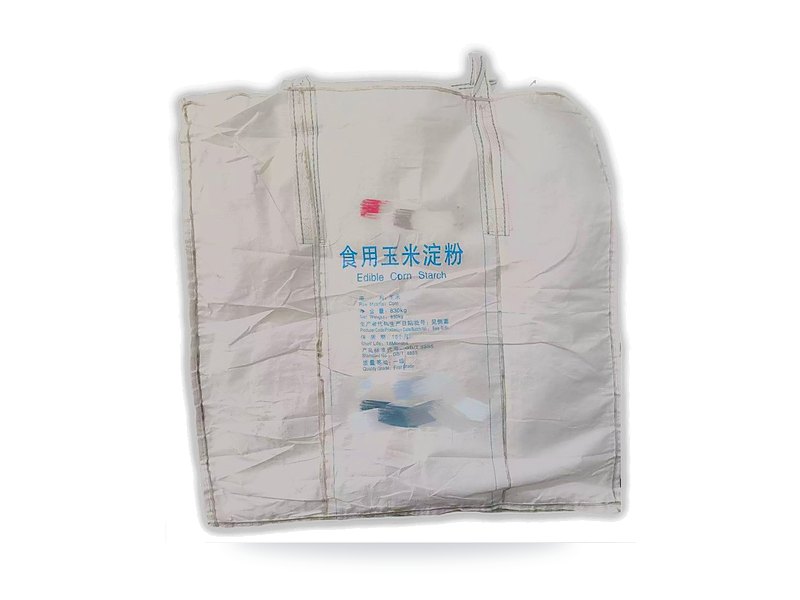
Low-breakdown fabric (<6 kV), no conductive path, no grounding. For combustible dusts — not flammable gases.
Full specification →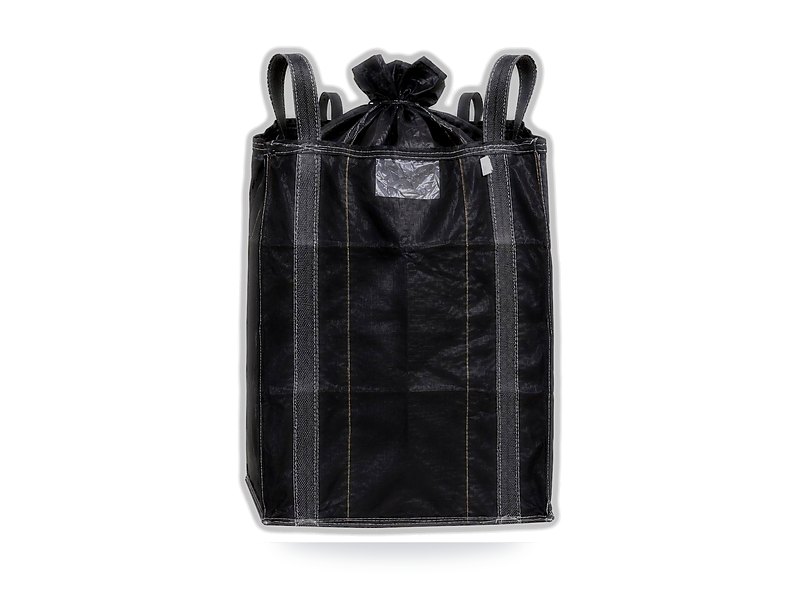
Conductive yarn woven in; must be grounded. For combustible dust and solvent powders.
Full specification →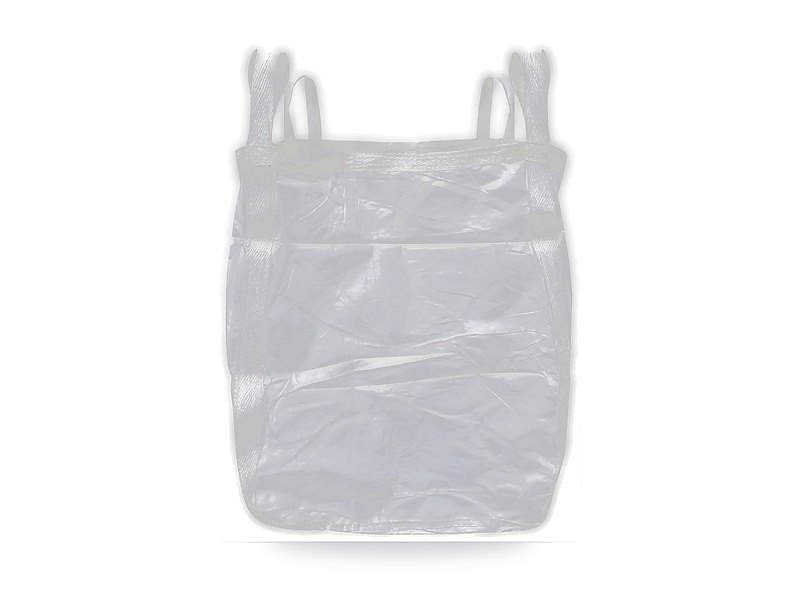
Static-dissipative, no grounding needed. Ideal for sites without reliable earthing and new-energy materials.
Full specification →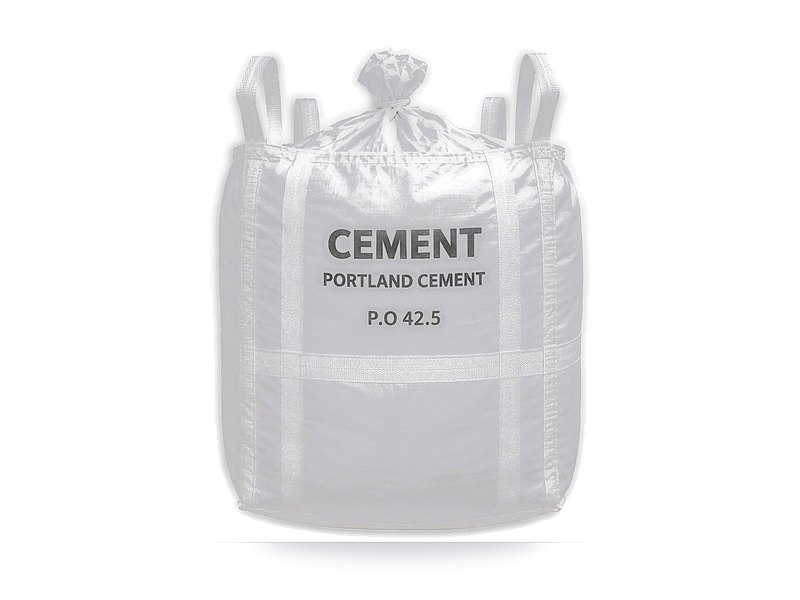
Lowest cost, highest output, square shape. For ore, sand, plastics, cement.
Full specification →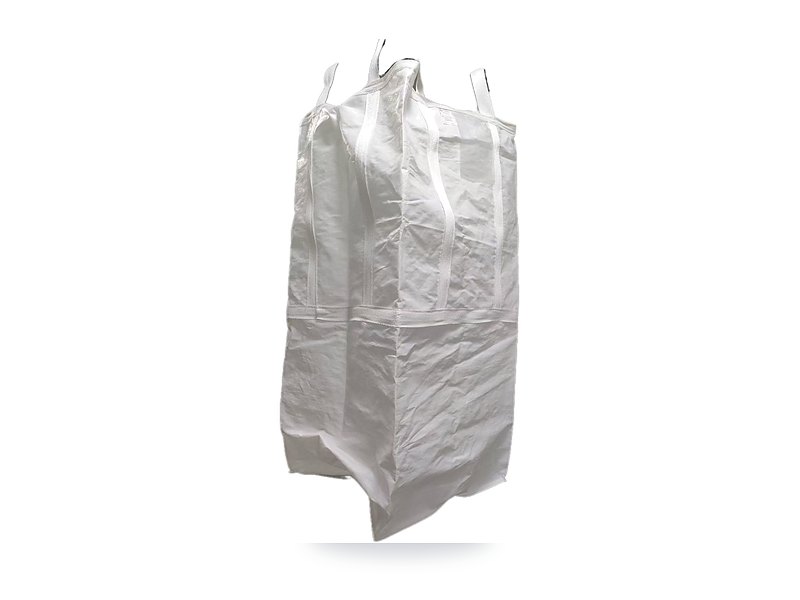
Stable under load, neat stacking. For dense mineral powders and metal powders.
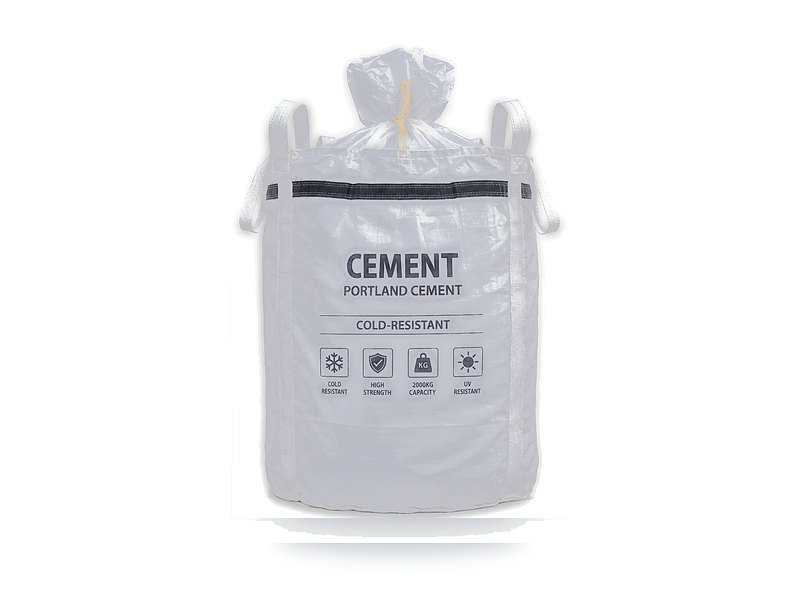
No side seam — best for fine-powder leak prevention (alumina, cement, starch, milk powder).
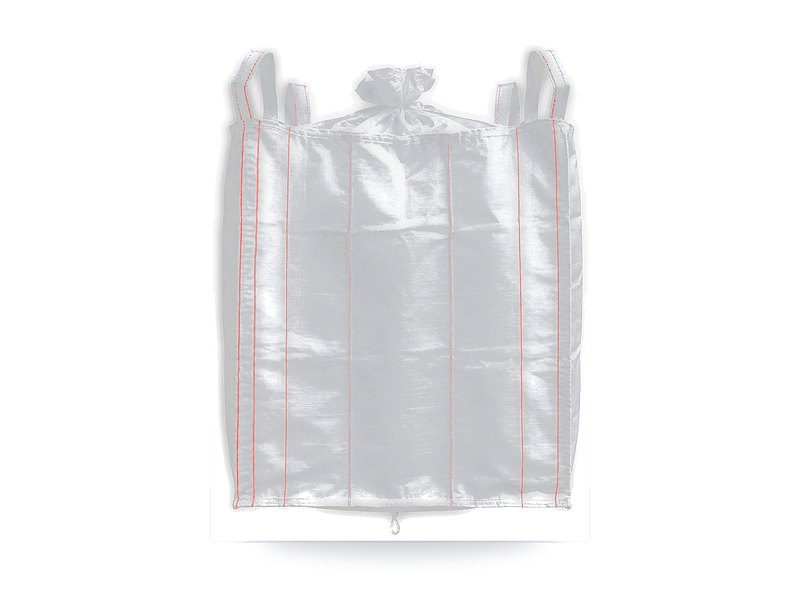
Stays square when filled; +15–20% container fill. For export minerals, food, stacking.
Full specification →These are where documentation and engineering matter most. Each links to a full specification page with specs, FAQ and RFQ.
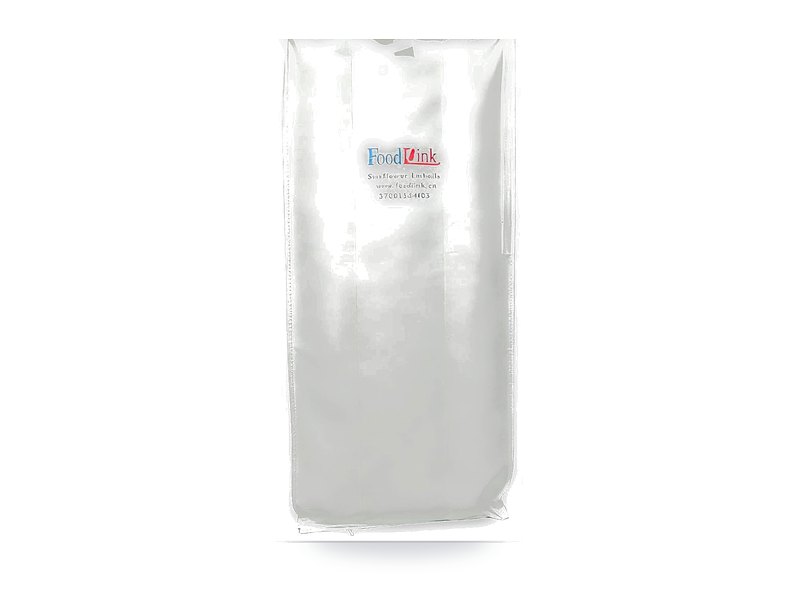
Clean-room production, food-contact certification, migration and heavy-metal test files.
Full specification →Woven conductive yarn with resistance-tested structure, aligned to IEC 61340-4-4 and ATEX.
Full specification →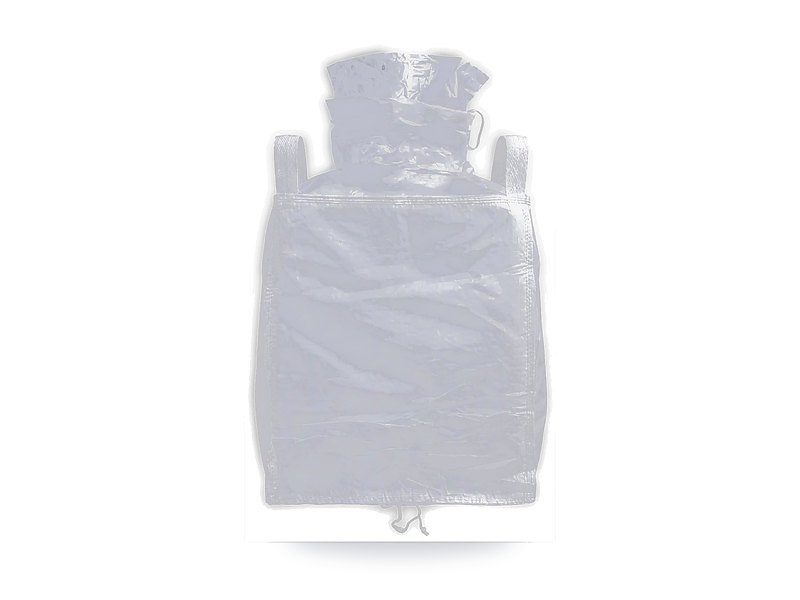
13H1–13H4 designs with dangerous-goods certification, double leakage protection and shipping documents.
Full specification →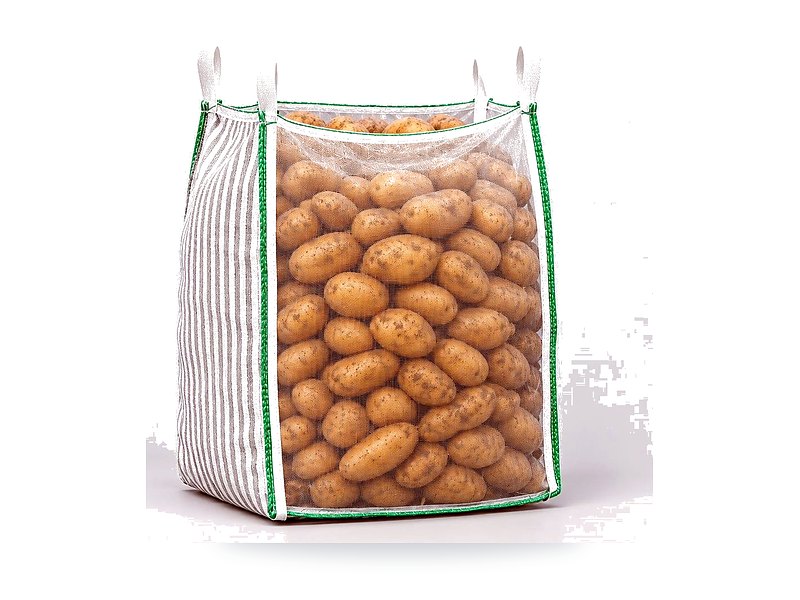
Full-mesh, half-mesh and perforated designs for produce and feed needing airflow and mould prevention.
Full specification →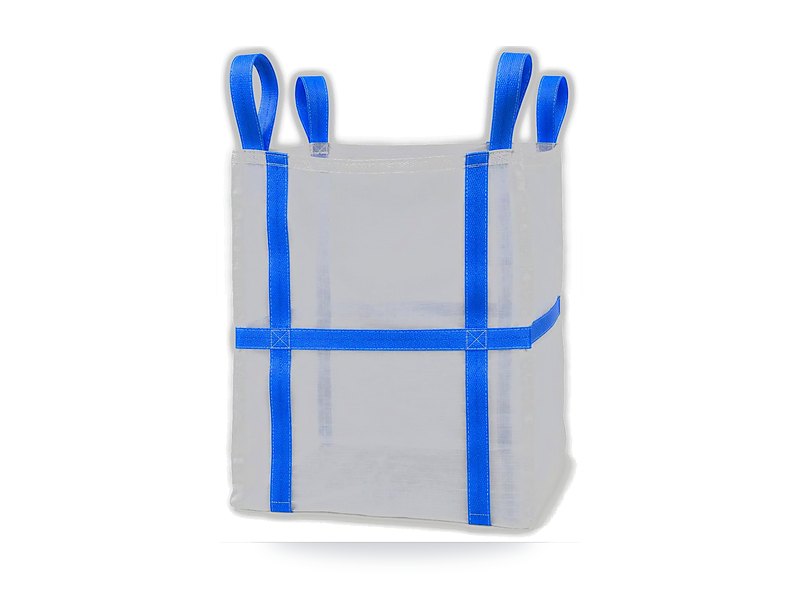
PE, form-fit, aluminium-foil composite and food-grade liners. Static classes L1 / L1C / L2 / L3 explained.
Full specification →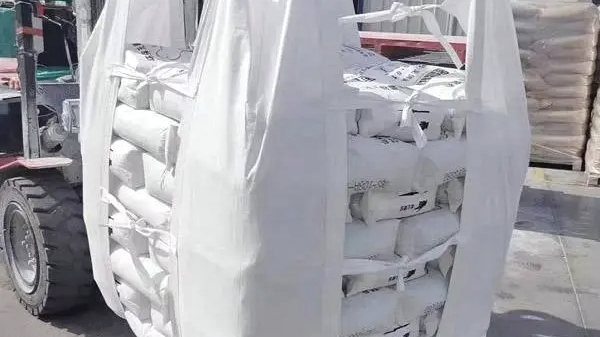
Dry-bulk liners that turn a 20/40 ft container into a single 15–25 t payload with one-touch discharge.
Full specification →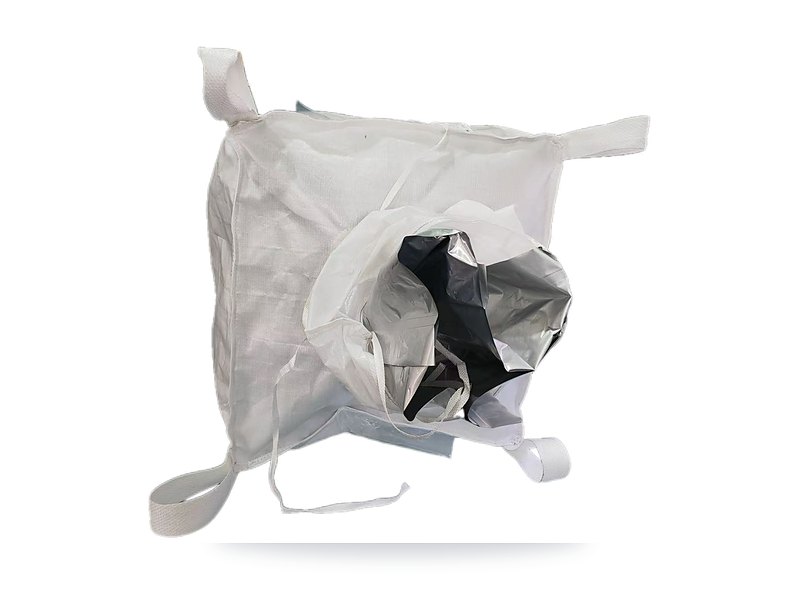
Aluminium-foil composite liners for cathode/anode materials — moisture, oxygen and static controlled.
Full specification →Hollow-board, built-in pallet, side-open transfer, single-loop and conductive-resistance-tested structures.
Full specification →These are fixed production standards from our ventilated and liner series — drawings, materials and test files already exist, so repeat orders stay identical.
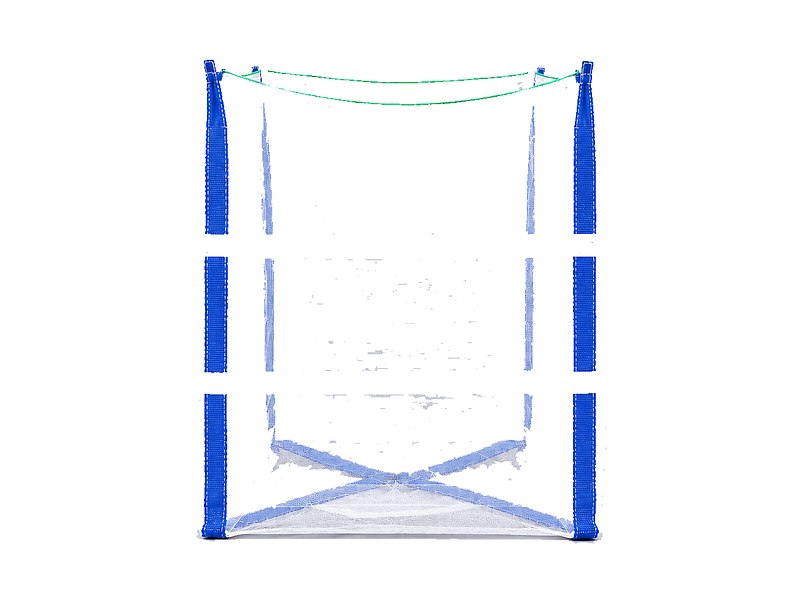
All panels use open mesh for maximum airflow. Best for produce that sweats or needs rapid cooling.
Series detail →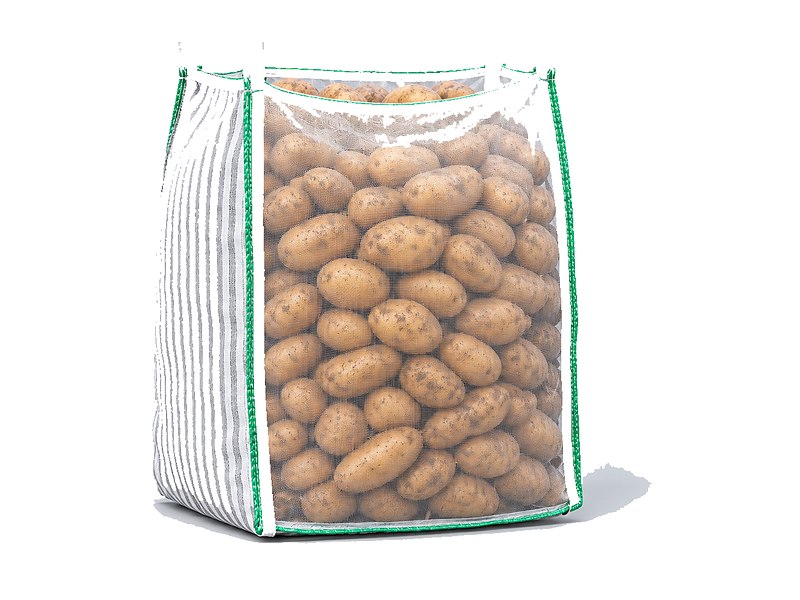
Mesh front panel with solid side panels — airflow where it matters, with more fabric strength and print area.
Series detail →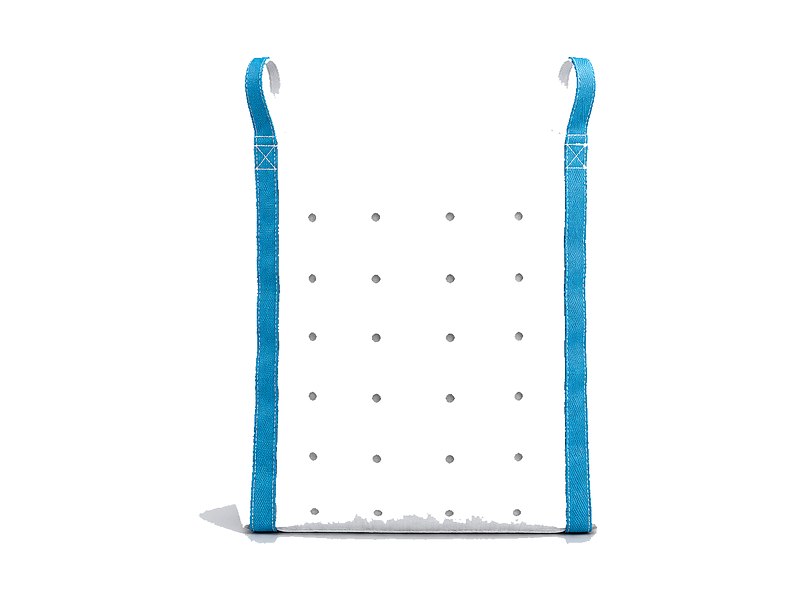
Perforated woven fabric with two lift loops for crane or hook handling; controlled ventilation without open mesh.
Series detail →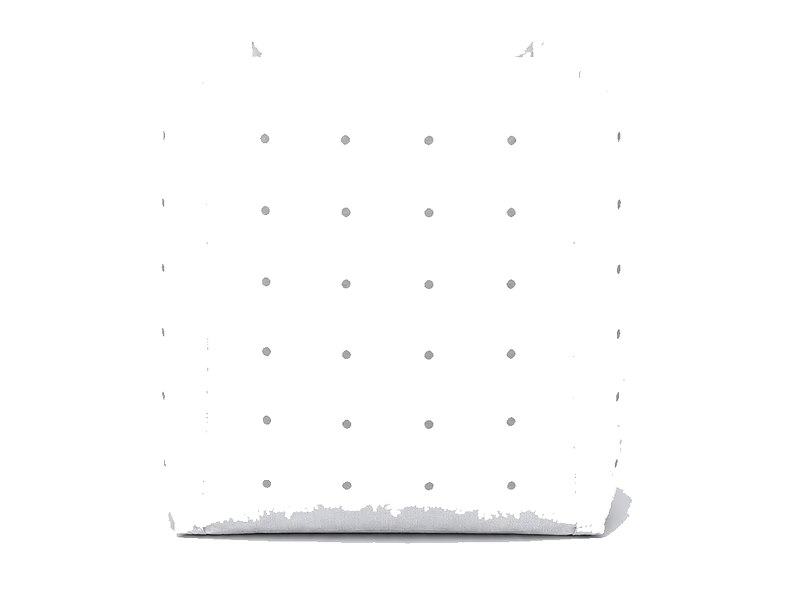
Four corner loops for forklift handling, with a perforated body for steady airflow on palletised produce.
Series detail →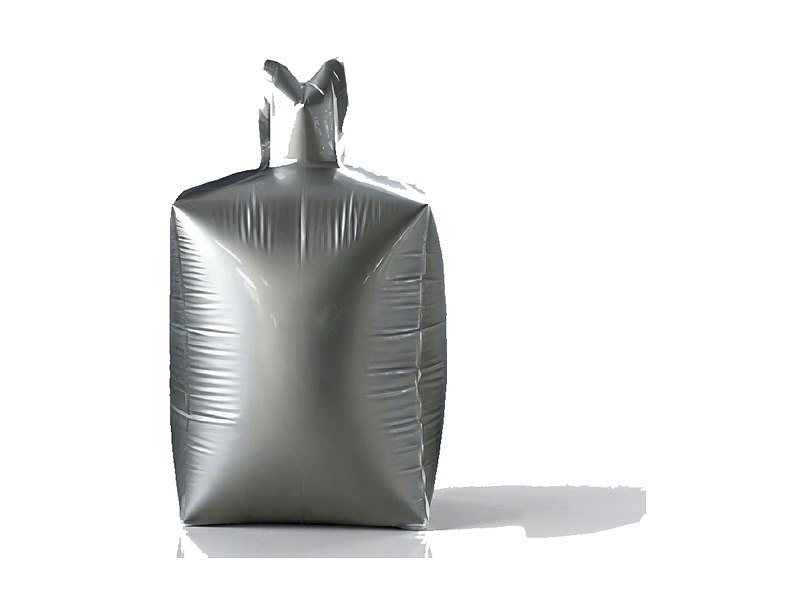
Form-fitted PE with a laminated aluminium foil layer — oxygen, moisture and light barrier for high-value sensitive powders.
Series detail →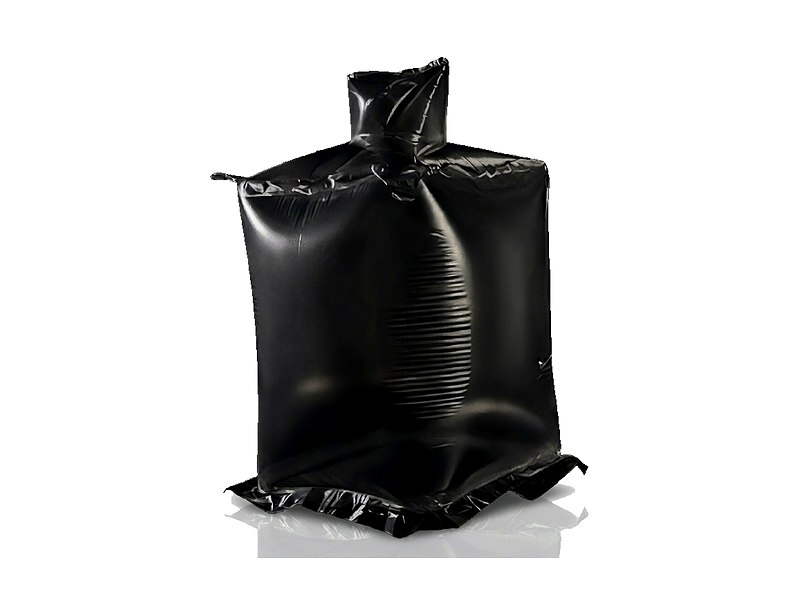
Conductive PE liner for static-controlled filling and discharge; used with grounded Type C constructions.
Series detail →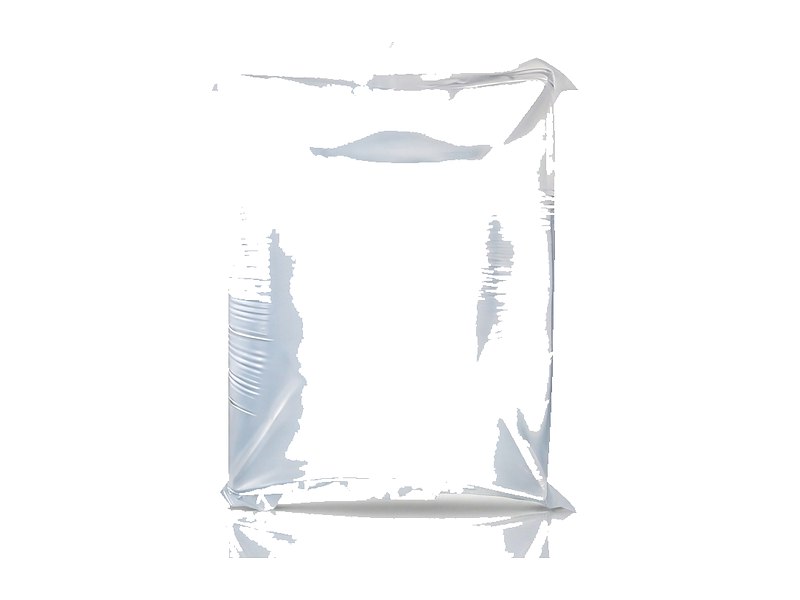
Anti-static PE liner that limits charge generation without a conductive path to earth.
Series detail →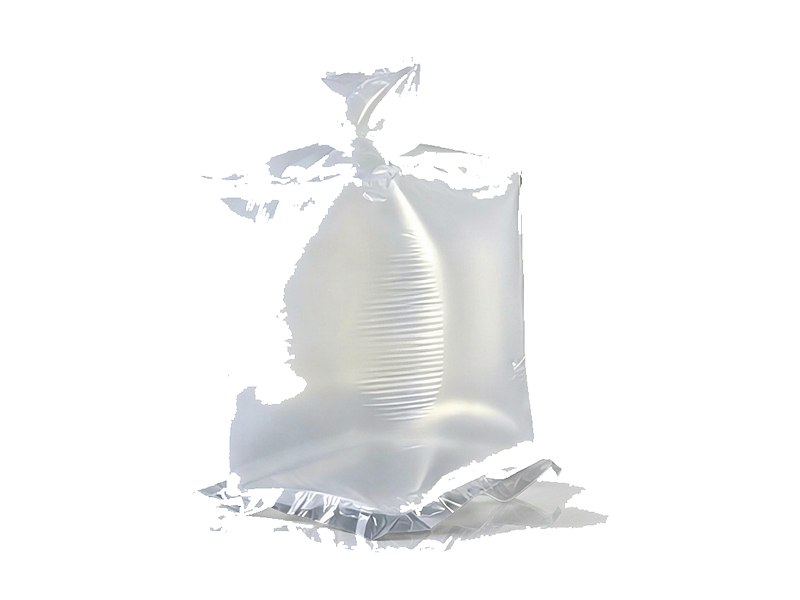
General-purpose LDPE liner with a basic moisture and dust barrier — the economical choice for non-sensitive goods.
Series detail →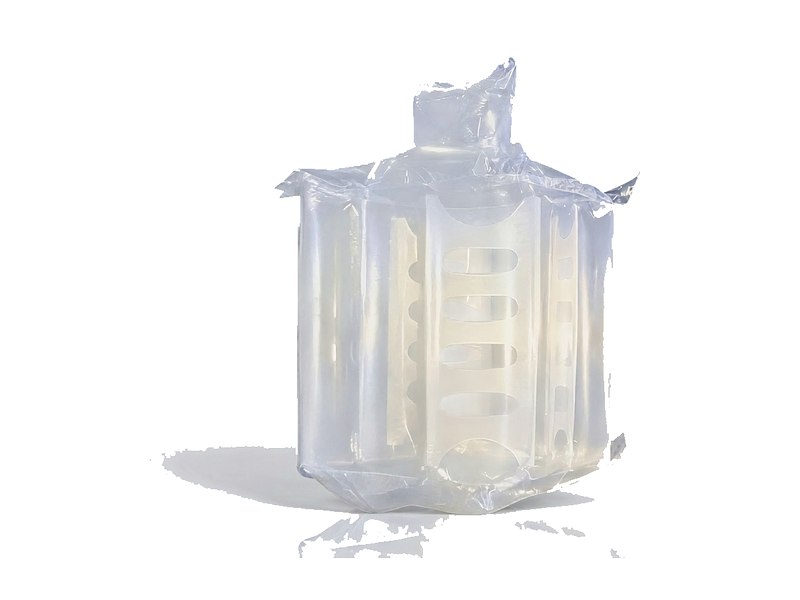
Form-fitted liner with dedicated baffles that hold the bag square without breaking the liner seal.
Series detail →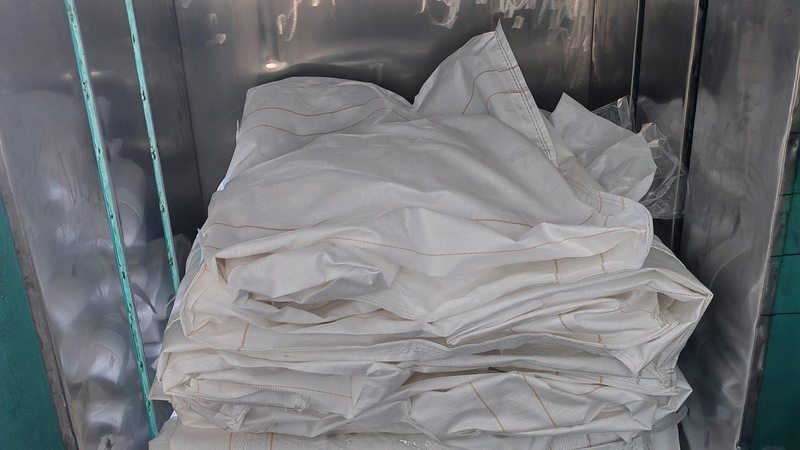
Compare standard PE, form-fitted PE and aluminium foil side by side before you specify.
Read the comparison →Where the powder itself sets the specification — density, moisture sensitivity, dust class and wear — we publish the build openly so you can compare it line by line.
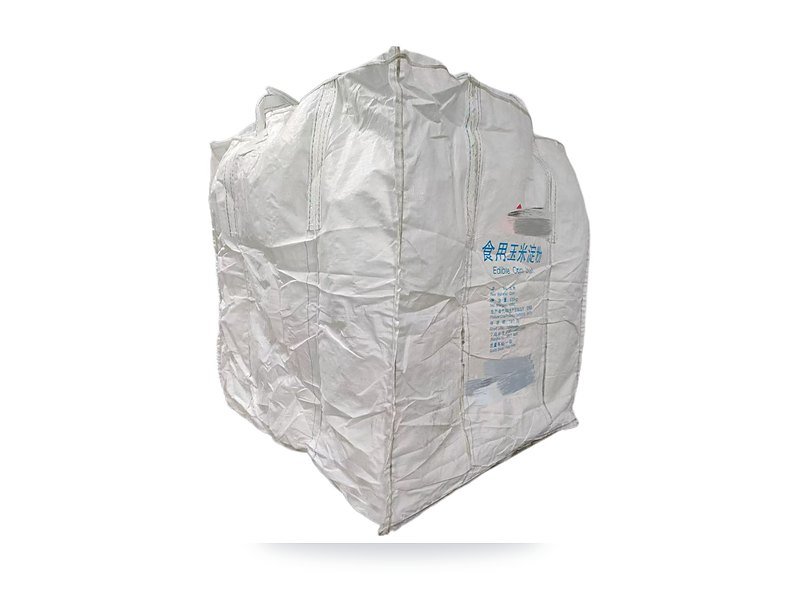
Food-grade PE liner, dust-proof seam, filling spout. Built for starch, flour and corn powder that leaks through ordinary weave.
Full specification →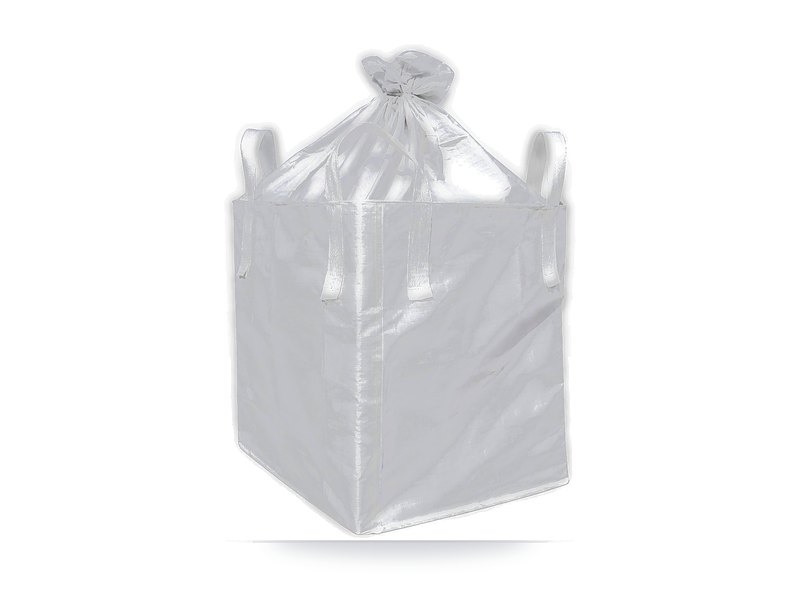
Thickened 120–170 g/m² fabric, reinforced cross base, heavy loop webbing for 1000–1500 kg of abrasive powder.
Full specification →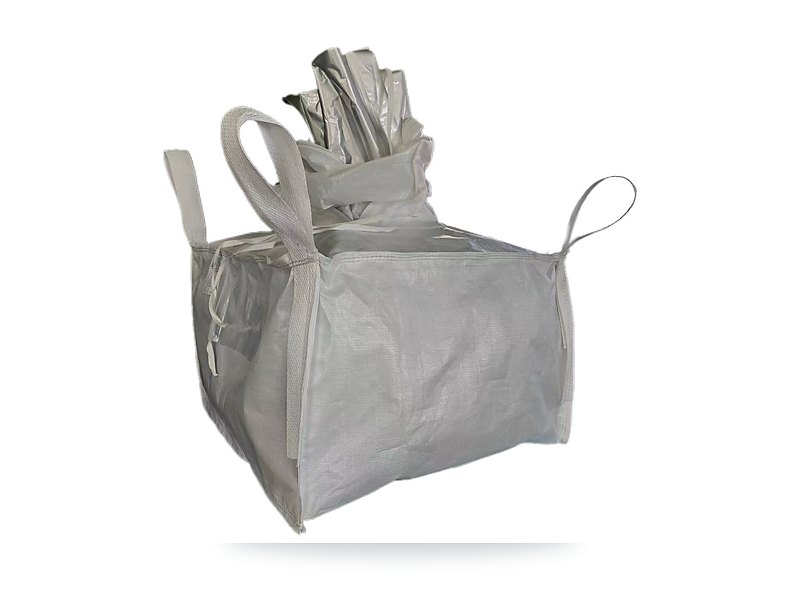
Integrated aluminium foil liner for moisture, oxygen and light barrier. Low-profile bag for dense anode powder.
Full specification →Search by what you ship — each series maps material traits to the right bag configuration.
Powders & granules with moisture, leak and static risk.
Solutions →Cathode / anode materials, clean & anti-static.
Solutions →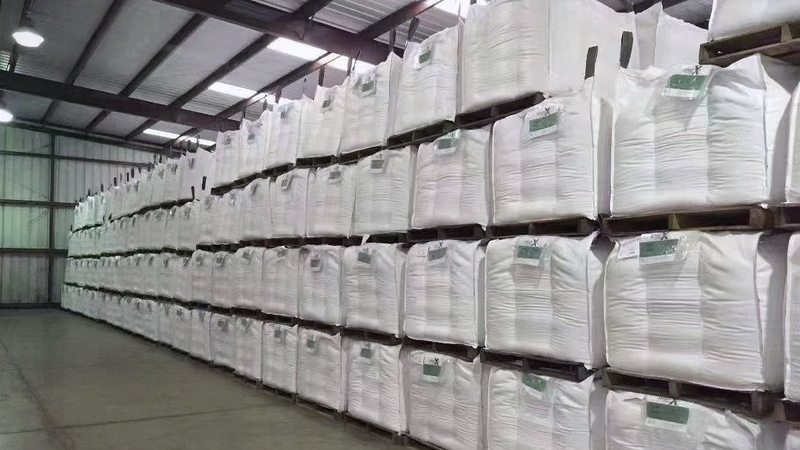
Food-contact compliant, moisture controlled.
Solutions →Heavy, abrasive, high SF.
Solutions →Cement, mortar, dust control.
Solutions →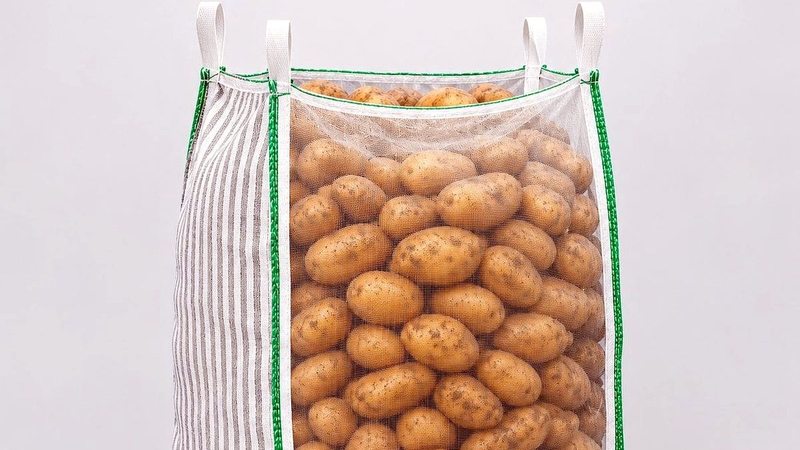
Ventilated, cost-optimised.
Solutions →UN certified, double leakage.
Solutions →
Patented non-standard structures.
Solutions →For exact SKU specs, contact us with your material and we will issue a data sheet.
| Parameter | Standard range | Notes |
|---|---|---|
| Safe Working Load (SWL) | 500–3000 kg | Common: 800 / 1000 / 1200 / 1500 / 2000 / 2300 kg |
| Safety Factor (SF) | 5:1 standard; 6:1 for abrasive / repeat-use | 6:1 advised for ore and repeated handling |
| Fabric weight | 160–250 g/m² | ≥220 g/m² for abrasive loads |
| Dimensions | 90×90×110 to 105×105×130 cm | Calculated from volume & bulk density |
| Lifting loops | 2 / 4 / 4+2 / single-loop integrated | 4+2 for loads above 1500 kg |
| Top / Bottom | Open / skirt / spout × flat / spout / cone / cross bottom | Cone bottom discharge up to 99.5% |
| Liner | None / PE / form-fit / foil composite / food-grade | 0.06–0.10 mm typical |
| UV resistance | 6 months std; up to 12–24 months | Required for outdoor storage |
| Electrostatic | Type A / B / C / D | See type section above |
| Printing | 1–4 colours, logo / net weight / lift marks | Food-grade ink for food contact |
Send us the material, load and destination. We return a structure recommendation and data sheet within 24 hours.