admin@zongyepackaging.com +8619902170898 (WhatsApp)
Luannan County, Tangshan, Hebei, ChinaRequest a Quote →
Starch & Grain Powder

Starch FIBC Bulk Bag, 900×900×1100 mm

Starch, flour and corn powder are the hardest powders to keep inside a bag: fine enough to pass a normal weave, heavy enough to hang in the seams after a month at sea. This build pairs high-density PP fabric with a food-grade PE liner so the liner carries the product and the bag carries the load.
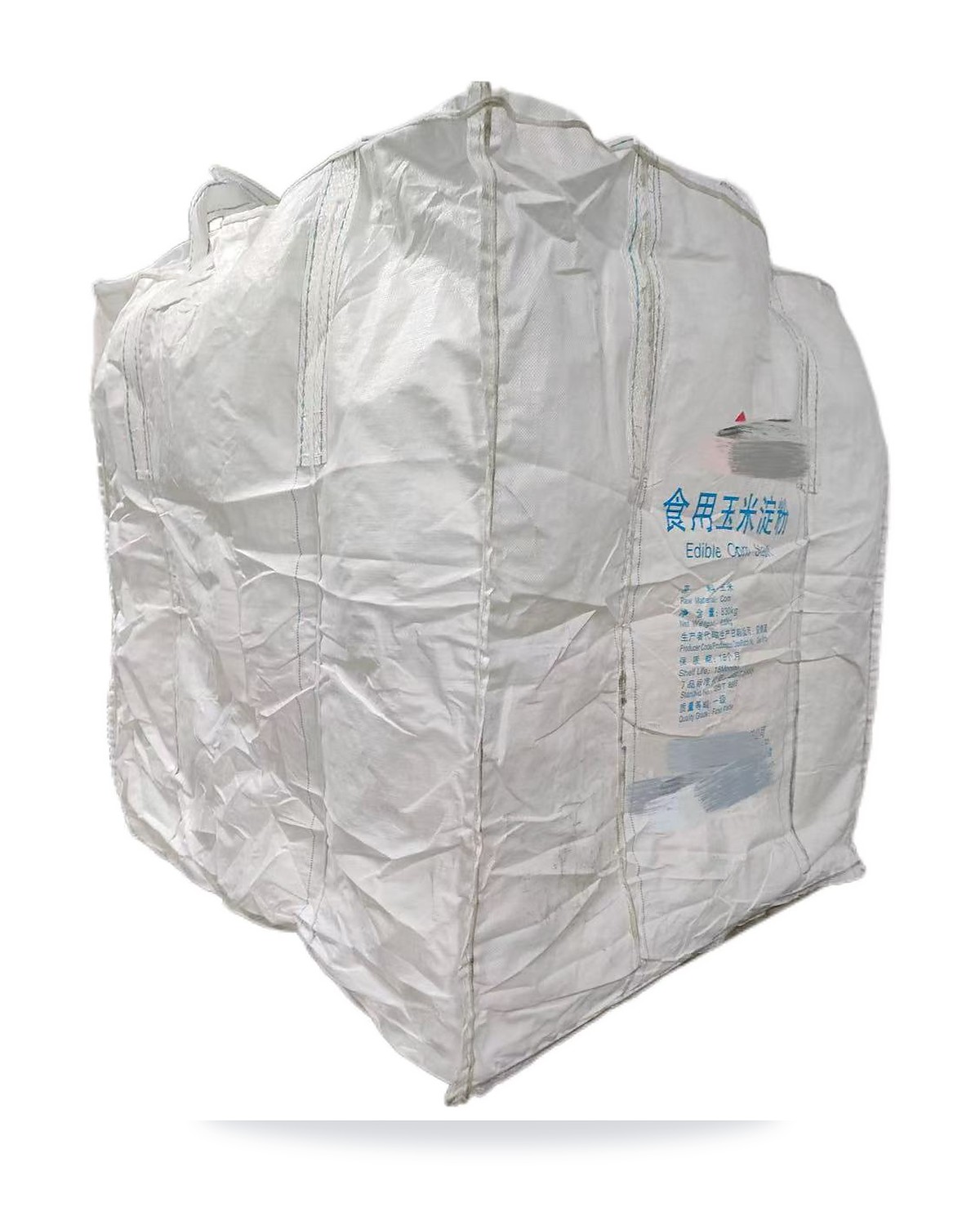
900×900×1100 mmStandard starch / flour size
Type A standardType B for combustible dust areas
Food-grade PE liner0.06–0.08 mm, dust and moisture barrier
1000 kg SWLSafety factor 5:1
Starch FIBC bulk bag 900x900x1100 mm with food-grade liner
Specifications

Standard starch bag parameters

The table below is the configuration we ship most often to starch and flour producers. Anything in it can be changed — the point is that you can compare it line by line with another supplier's offer.

ParameterTypical valueNote
Product NameStarch FIBC Bulk BagType A jumbo bag special for starch
Bag ConstructionCircular (tubular)Seam-free body reduces leak paths
Material100% virgin high-density PPNo recycled content in food-contact builds
Dimensions900 × 900 × 1100 mmOther sizes to fit your pallet
SWL1000 kg500–1200 kg on request
Safety Factor5:16:1 for repeat lifting or rail transport
Top OptionsOpen top / filling spout + tieSpout reduces dust at the fill point
Bottom OptionsFlat / discharge spoutSpout for controlled emptying
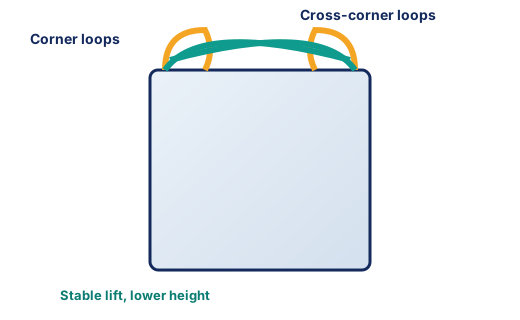
Lifting Loops4 corner loopsCross-corner for low headroom
Fabric Weight90–110 g/m² (body)Higher for humid or long-sea-freight routes
Coating / LaminationOptionalAdds a second barrier behind the liner
Inner LinerFood-grade PE 0.06–0.08 mmLoose or form-fit, taped or sewn in
Printing1–4 colours, food-grade inkKept out of the direct-contact zone
ColourWhite (standard)Custom colours from 2,000 pcs
Electrostatic TypeType AType B for combustible dust; see Type B
StitchingDouble chain stitch + filler cordDust-proof seam is the default here
PackagingBale 5 pcs / 10 pcs or palletWrapped to keep the liner clean
ComplianceFood-contact · EU 10/2011 · GB 4806Migration report on request
Customization options

What we change for your line

Starch plants differ more than they look: pneumatic fill vs gravity fill, silo discharge vs tipping, dry climate vs monsoon. These are the fields we set per order.

Liner

PE 0.06–0.08 mm

Food-grade, odour-free. Thicker film for humid destinations and long transit.

Seam

Dust-proof stitching

Filler cord in the seam plus taped closure — the usual fix for powder bleeding at the bottom seam.

Top

Filling spout

Ø350–500 mm spout with tie cord for pneumatic or gravity filling.

Bottom

Discharge spout

Ø300–400 mm for controlled emptying into a hopper or mixer.

Static

Type A → Type B

Same bag, low-breakdown-voltage fabric, if your fill area is a classified dust zone.

Fabric

90–110 g/m²

Higher gsm on the body and base for 1200 kg loads.

Printing

Brand + net weight

Food-grade ink, batch and lot marking for traceability.

Extra

Document pocket

Clear pocket for the batch certificate; UV treatment for outdoor storage.

Why this bag

Where a standard bag fails on starch

Three failure points, and what we do about them

Most complaints on starch bags are not about strength — they are about powder escaping, moisture getting in, and the bag going soft in a stack.
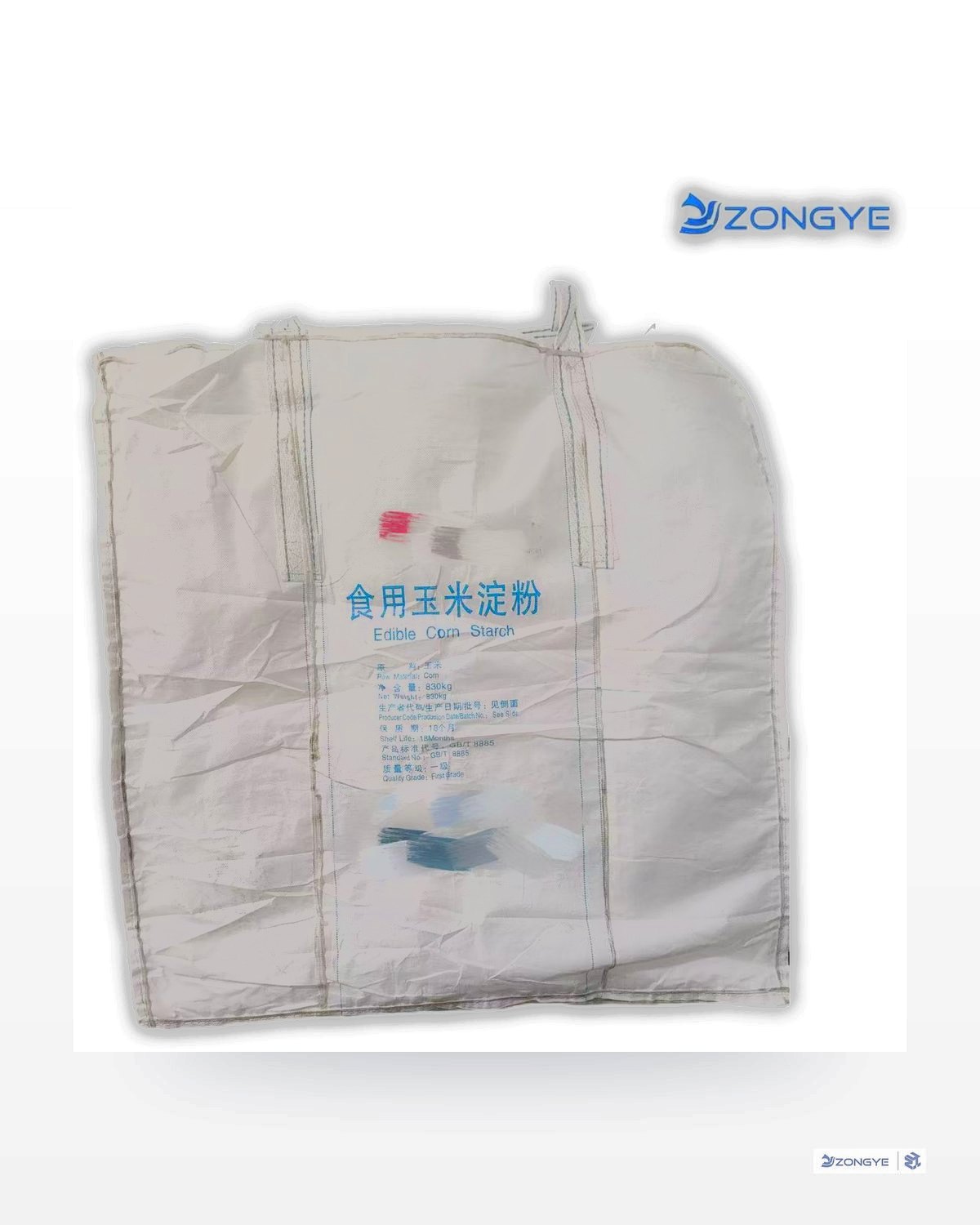
  • Powder bleeding at seams — filler cord plus dust-proof stitch, not just a tighter weave
  • Moisture pickup in transit — PE liner carries the product; the bag is structural only
  • Stack collapse after palletising — circular body with balanced loop placement, 5:1 minimum
  • Dust at the fill point — spout top and tie cord instead of an open mouth
  • Static in a dust-classified area — switch to Type B fabric at no change in shape
Starch FIBC bulk bag with printed side panel
Printed starch bag with net weight and lot marking — the print sits outside the contact zone.
Applications

What goes into this bag

The same 900×900×1100 body is used across the grain-powder family; the liner and seam change with the material.
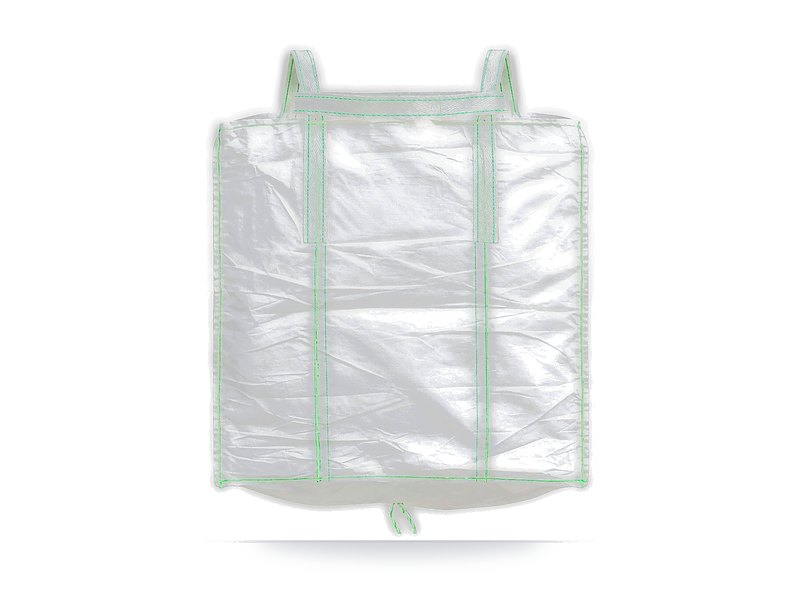
Food-grade FIBC bulk bag for flour

Starch & flour

Corn, wheat, potato and cassava starch; wheat and rice flour.
Food-grade FIBC bulk bag for seeds and nuts

Grain powder & feed

Ground grain, bran, feed premixes — higher gsm where abrasion is heavy.
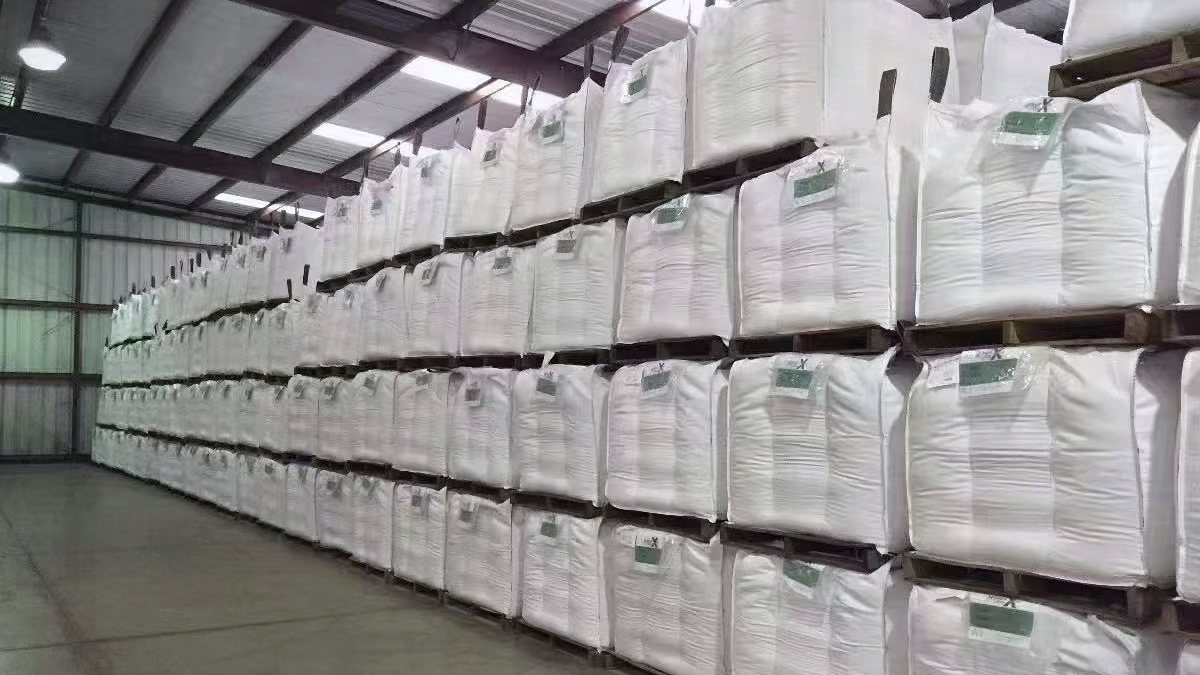
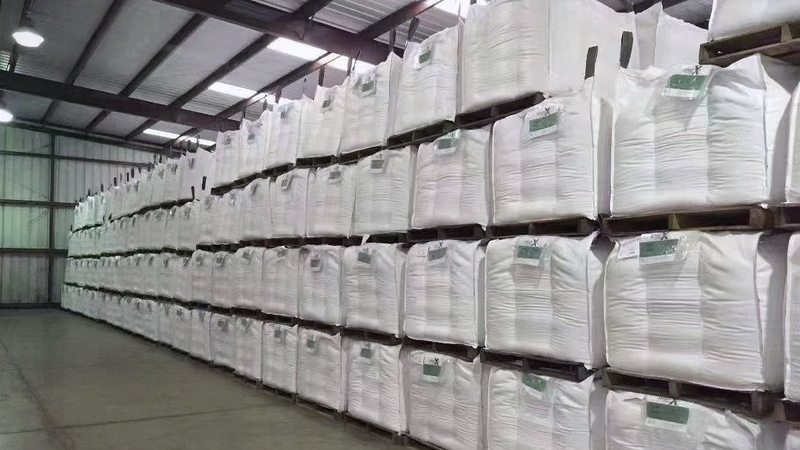
Finished FIBC bulk bags stacked in the warehouse

Export palletising

Baled 5 or 10 per unit, or palletised for automated depalletising lines.

Structure & details

Top, bottom and loop configuration

What you choose here decides how fast the line runs and how much dust the operator breathes.
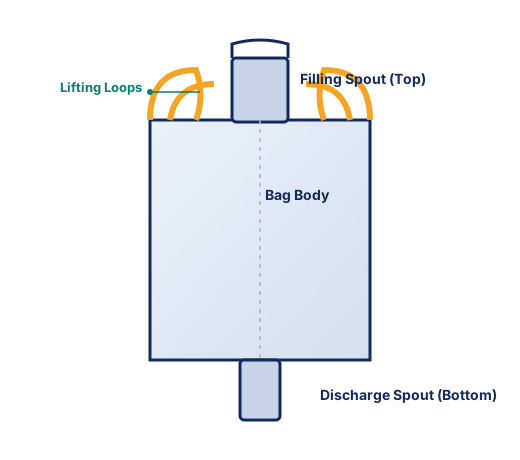
Diagram: FIBC with top filling spout and bottom discharge spout
Filling spout + discharge spout — the standard starch configuration.
Starch FIBC bulk bag 900x900x1100 mm with food-grade liner
Circular body, four corner loops, printed panel.
Diagram: FIBC corner and cross-corner lifting loops
Corner vs cross-corner loops — cross-corner for low-headroom cranes.
Manufacturing

How the bag is made

Selected steps from our woven-PP line. For the full process, see the factory page.

01

Weaving

High-density PP tape woven on circular looms.

02

Lamination

Optional coating for a second moisture barrier.

03

Cut & print

Cut to 900×900×1100; food-grade ink.

04

Sew & line

Dust-proof seam, PE liner inserted and fixed.

05

QC & bale

Weight, size, seam and liner check; baled clean.
Operators sewing FIBC bulk bags on the production line
Sewing line — dust-proof seam is set per order, not per shift.

Made in our own plant, not traded

ZONGYE runs weaving, lamination, cutting, sewing and liner insertion under one roof in Luannan County, Tangshan, Hebei, China. That matters on food-grade work: the liner is inserted and the bag is baled in the same controlled area instead of travelling between subcontractors.

See factory & capacity
Quality control

Checks that matter for starch

Woven PP fabric inspected on arrival
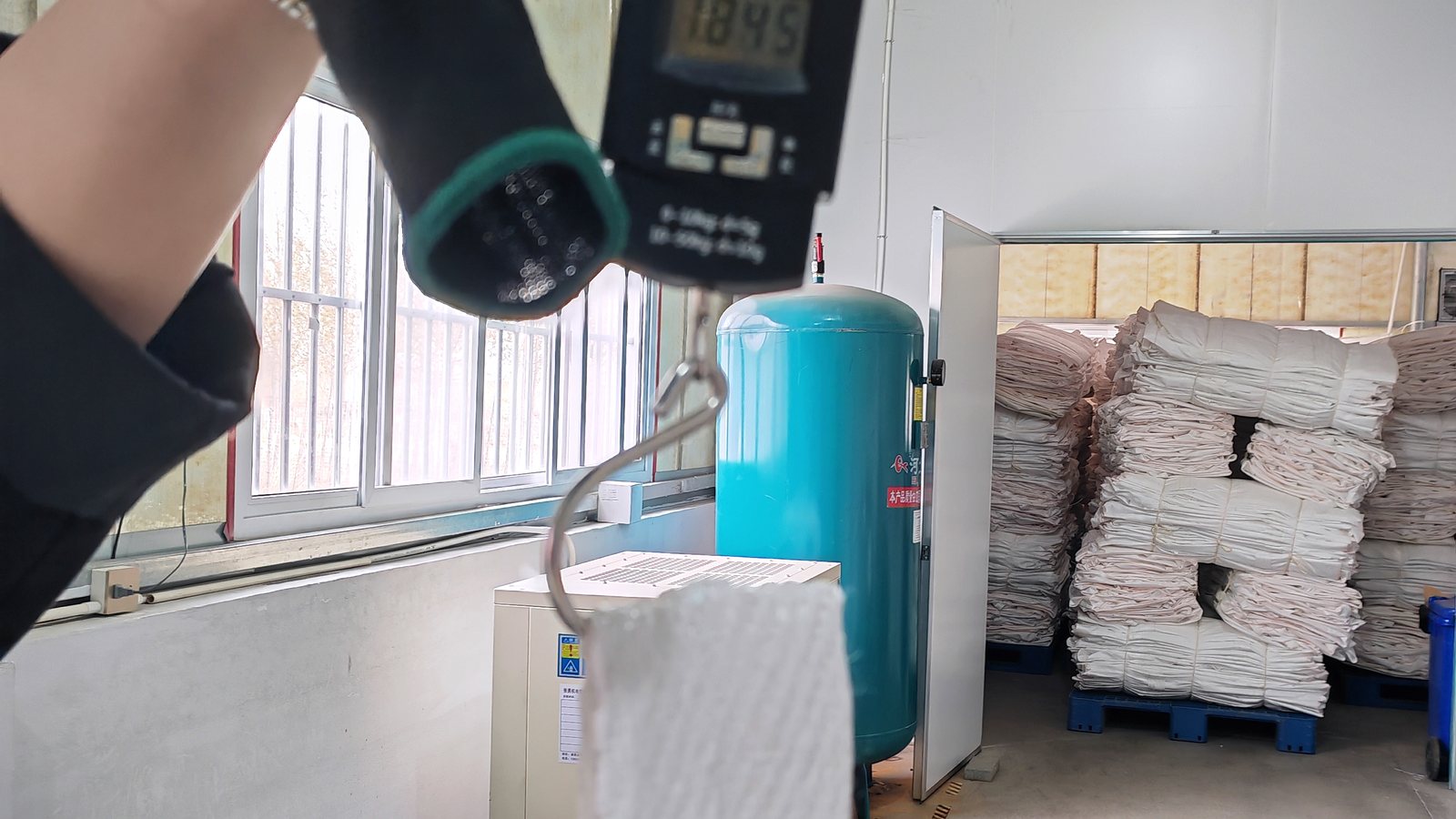
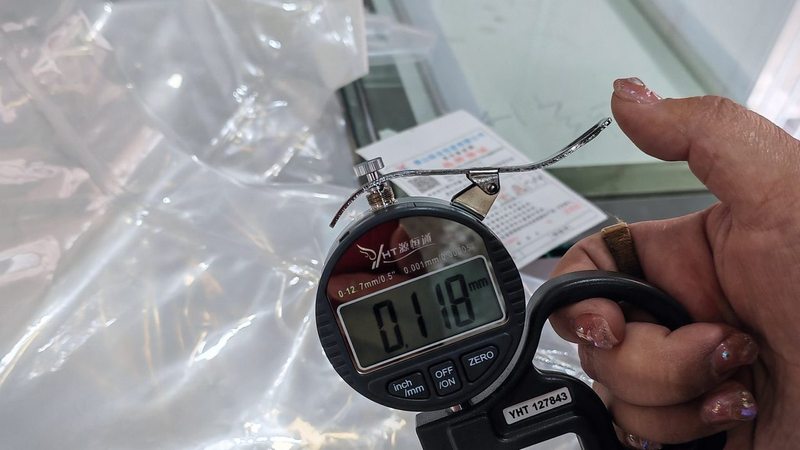
Fabric & film checkGSM, weave density and liner thickness verified on arrival.
Fabric grammage and thickness measured
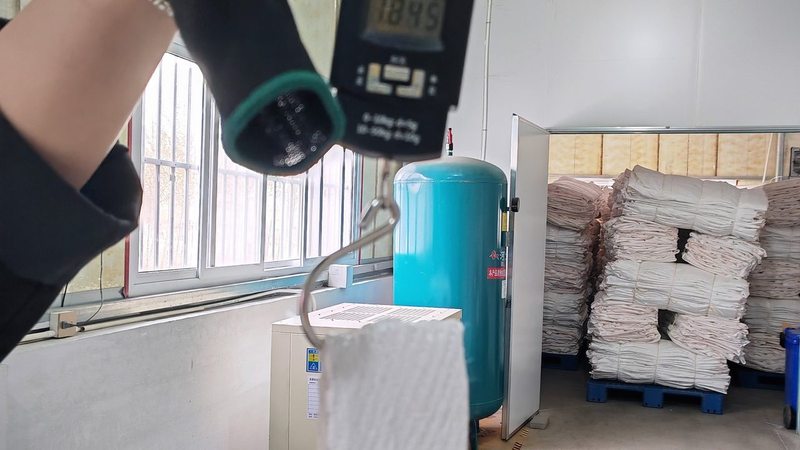
Weight & sizeBag weight within ±3%, dimensions within ±1 cm.
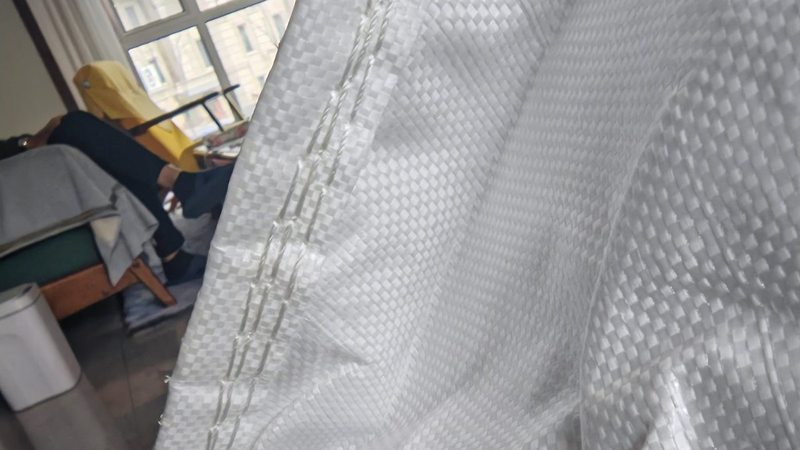
Seam strength and stitching checked
Seam integrityStitch density, filler cord and liner fixing pulled and checked.
Final inspection before dispatch
Pre-shipmentCleanliness, print accuracy and bale condition before dispatch.

Our ISO 9001 / 14001 / 45001 system covers the factory. Food-contact documents are issued per product and per order — we do not present a general certificate as proof that every bag passed a migration test.

How to order

Four steps from enquiry to delivery

Send the basics

Material, bag size, SWL, monthly volume and destination port.

Lock the spec

Liner, seam, spout, static type, printing and documents confirmed in writing.

Approve a sample

3–5 days for a standard sample; 7–10 days with custom print.

Produce & ship

15–25 days standard; FOB Tianjin, CIF or DDP.

Commercial terms

MOQ, samples, lead time & terms

MOQ

500 pcs (standard)

Custom 1,000–2,000 pcs; trial orders special-approved.

Sample

3–5 working days

Standard sample free (freight collect); custom 7–10 days. Test report on request.

Lead time

15–25 days (standard)

Custom 20–35 days from order confirmation & deposit.

Trade terms

FOB Tianjin / CIF / DDP

T/T 30% + 70% before shipment or against B/L copy; L/C at sight with guarantee; Sinosure accepted.
FAQ

Questions we get on starch bags

Why is starch packed in a Type A bag rather than Type B?+
Type A has no electrostatic protection, which is fine for non-flammable powders handled in dust-free conditions. Starch and flour can form explosive dust clouds, so if your filling area is a classified dust zone we build the identical bag as Type B (low-breakdown-voltage fabric, no grounding needed) or Type C with grounding. We ask about the filling station before quoting, because this is the one item that cannot be fixed later.
What stops fine starch powder leaking through the seams?+
Three things together: high-density PP fabric at 90–110 g/m² for this size, a dust-proof seam with filler cord, and a food-grade PE liner that actually carries the product. Fabric alone will pass superfine powder over a long sea freight — the liner is doing the containment work.
Can the bag be printed with our brand?+
Yes — 1–4 colours with food-grade ink, kept outside the direct food-contact zone. Brand, net weight and lot marking are printed as required by the destination market.
How is the liner fixed inside the bag?+
Either loose, taped at the four corners, or sewn into the top seam. Loose liners are cheaper and faster to fill but can be pulled into the spout; sewn-in liners stay put on automated lines. We match this to your filling equipment.
What is the minimum order and lead time?+
500 pieces for the standard 900×900×1100 build; custom printing and liner combinations start at 1,000 pieces. Standard lead time is 15–25 days from order confirmation and deposit.

Request a quote for Starch FIBC

Send the bag size, load, filling method and destination. We will come back with a spec sheet and a price within 24 hours.

  • Product type is pre-filled below
  • Tell us the powder and the filling station type
  • Share a drawing or a photo of your current bag
  • Get spec + price + documents in 24h
Product: Starch FIBC Bulk Bag 900×900×1100 mm
Thanks — your RFQ is ready to send from your email client. For fastest response, also message us on WhatsApp +8619902170898.