One hazard, four responses
Type A, B, C and D describe how an FIBC behaves around static electricity — not its size, shape or strength. The classification is driven by the minimum ignition energy of your powder and by whether flammable gas or vapour is present. Always have the final choice confirmed by a safety engineer.
Type A
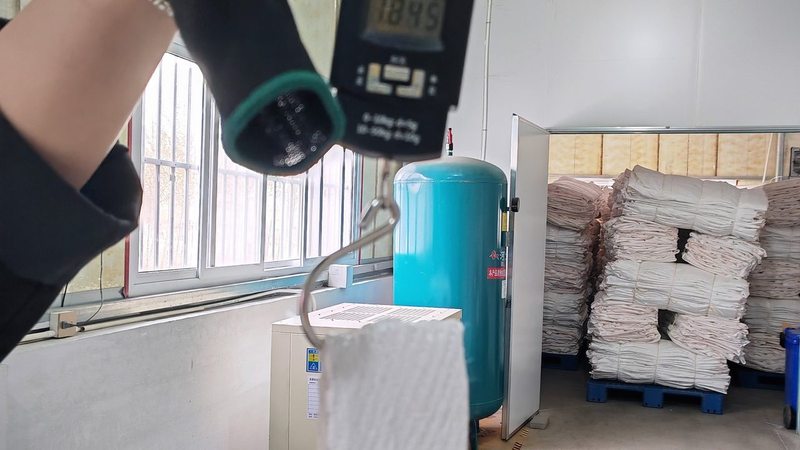
Constructed from standard polypropylene woven fabric without any electrostatic protection. Static charges can accumulate during filling and discharge of combustible powders and generate incendiary sparks. Strictly prohibited in flammable or explosive atmospheres.
Type B
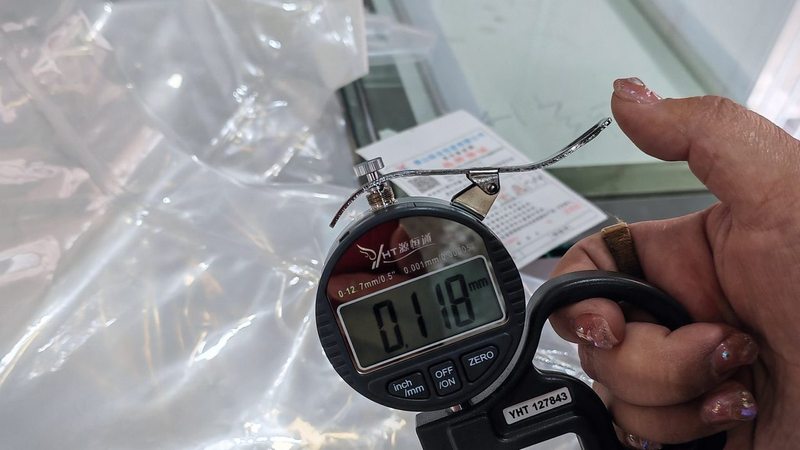
Made from insulating fabric with a low breakdown voltage — typically no more than 4–6 kV — to prevent propagating brush discharges. Permitted only for dry combustible powders; never where flammable gases or vapours are present.
Type C
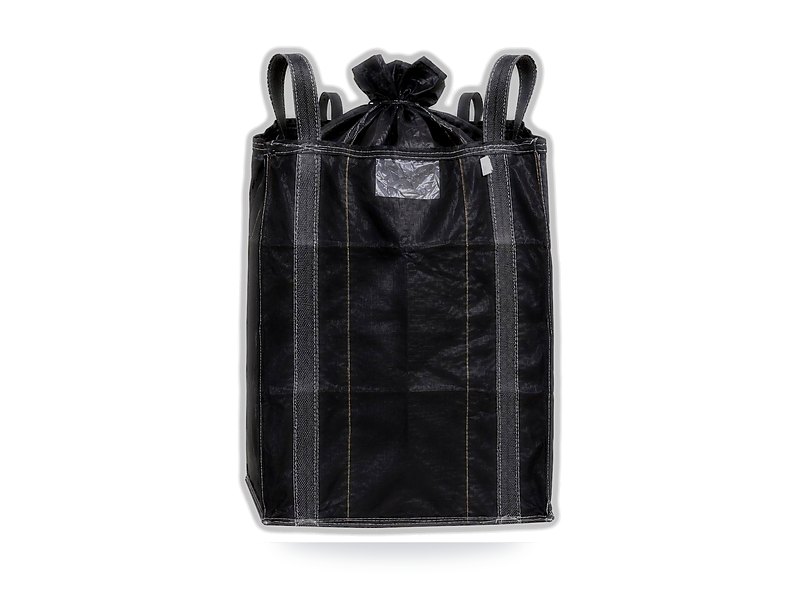
Interwoven conductive threads or fully conductive fabric, with all conductive components bonded together. Must be reliably earthed with a dedicated grounding cable during operation. Suitable for combustible dusts and flammable vapours.
Type D
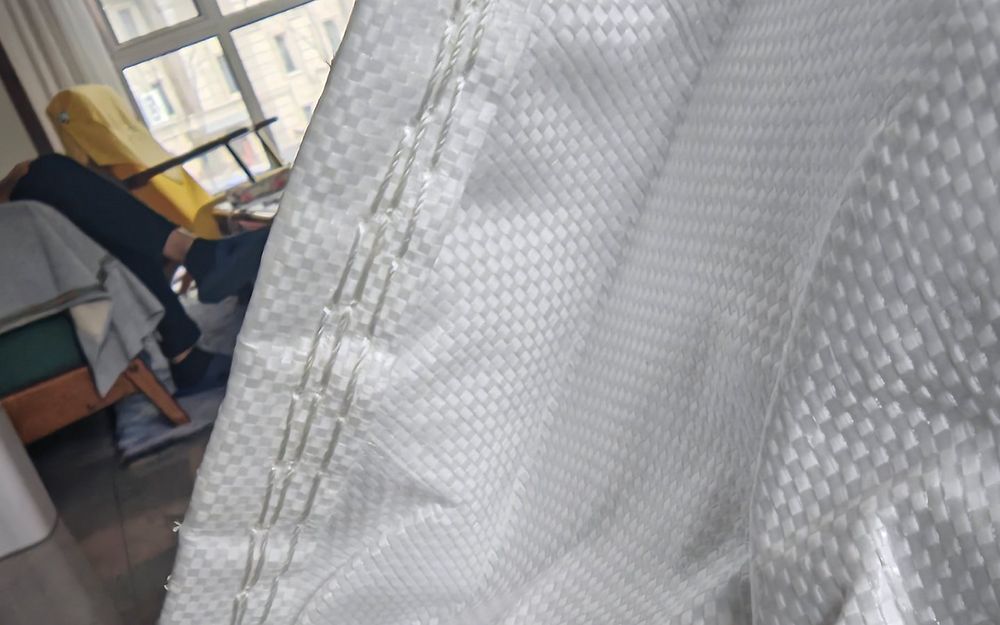
Static-dissipative fabric using corona discharge to neutralise charge into the air without a ground connection, producing no sparks. Widely used with flammable dusts and vapours, provided the bag surface stays clean and free of conductive contaminants or coverings.
Side by side
| Type A | Type B | Type C | Type D | |
|---|---|---|---|---|
| Fabric | Standard PP | Low-breakdown insulating PP | Conductive yarn / fabric | Static-dissipative fabric |
| Breakdown voltage | No limit | ≤ 4–6 kV | n/a — conductive path | Corona discharge, no earth |
| Grounding | Not applicable | Not applicable | Required, every fill | Not required |
| Combustible dust | No | Yes | Yes | Yes |
| Flammable gas / vapour | No | No | Yes | Yes |
| Main failure mode | Incendiary spark | Brush discharge if misused | Unearthed = unsafe | Dirty / coated surface |
Specifying it
1 · Classify the material
Establish minimum ignition energy, dust class and whether solvents or vapours are present during filling.
2 · Check the site
If reliable earthing cannot be guaranteed at every filling station, a grounded Type C bag is not a safe default.
3 · Write it down
Put the type, grounding requirement and surface-cleanliness condition on the specification and the operator work instruction.
Continue in the Knowledge Hub