The methods
Four ways to hold a liner in place
| Connection type | Adapted products | What it means in production |
|---|---|---|
| No connection | Standard PE liner | Easy to operate and liners are replaceable. Poor fixation — the liner may slip out with the material during discharge and cause leakage. |
| Direct sewing connection | Standard PE liner | Only the top inlet and bottom outlet are sewn to the outer bag; the body is not stitched. Stable feeding and discharging, but not suitable for fixing a form-fitted liner body. |
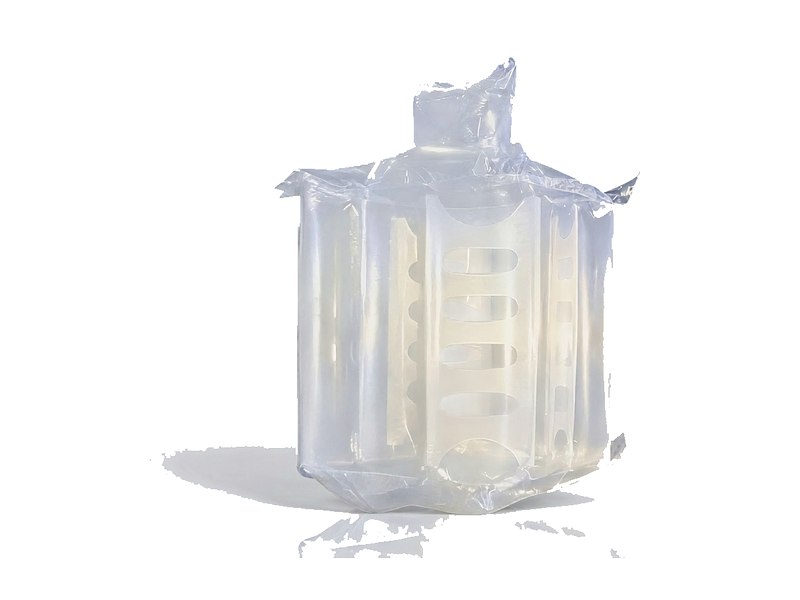
| Adhesive tape sewing connection | Form-fitted liner | Tape-aided sewing gives strong joints that resist peeling. Suitable for heavy loads and used to fix the body of form-fitted liners. |
| Inner lining flash (fly-edge) sewing | Form-fitted liner | High-strength flash sewing with strong tear and load resistance. The core solution for form-fitted liners — fixes body, inlet and outlet together. |
Decision
How to choose
Standard PE liner
Free placement is acceptable where the liner is replaceable and discharge is slow; direct sewing at inlet and outlet is the safer default.
Form-fitted / foil / conductive
Always fix the body as well as the ports. Adhesive-tape sewing or flash sewing keeps the shaped liner from collapsing during discharge.
Selection rule
The choice follows bag structure, material characteristics and the filling / discharge method — it is not a one-size-fits-all default.
Related reading
Continue in the Knowledge Hub