admin@zongyepackaging.com +8619902170898 (WhatsApp)
Luannan County, Tangshan, Hebei, ChinaRequest a Quote →
New Energy Materials

Battery Anode FIBC with Aluminium Foil Liner

Anode powder does not fail visibly — it fails as a number on a test report six weeks later. Water vapour and oxygen are the two routes in, and a PE liner only slows them down. This 800×800×600 bag carries an integrated aluminium foil composite liner that blocks moisture, oxygen and light, so the material arrives with the same moisture content it left with.
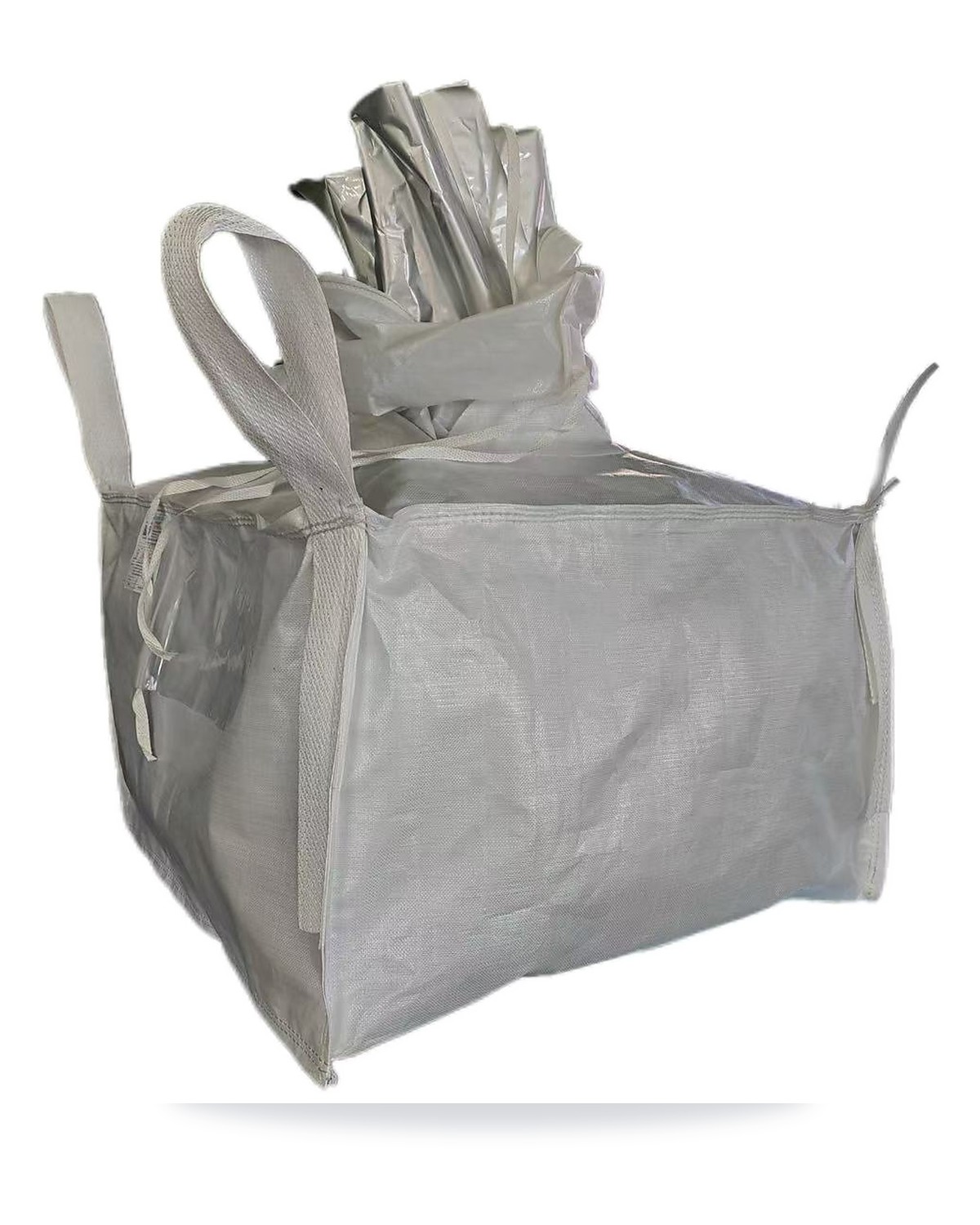
800×800×600 mmLow profile, low centre of gravity
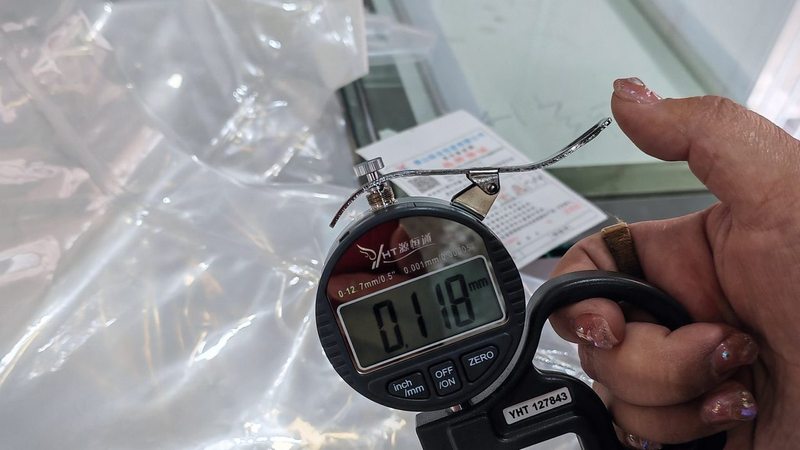
Aluminium foil liner0.10–0.15 mm, integrated
Moisture & oxygen barrierPlus light blocking
Type A standardType C / D on request
FIBC bulk bag for battery anode powder, 800x800x600 mm
Specifications

Anode bag parameters

The build we use for graphite and silicon-carbon anode powders. Barrier grade, liner sealing and static type are the three fields that get agreed before anything is woven.

ParameterTypical valueNote
Product NameBattery Anode FIBC with Foil LinerType A aluminium foil lined FIBC
Bag ConstructionU-panel / 4-panelLow, square bag for stable stacking
MaterialHigh-strength virgin PPPuncture and tensile resistance
Dimensions800 × 800 × 600 mmOther low-profile sizes available
SWL500–1000 kgDense powder, low bag height
Safety Factor5:16:1 on request
Top OptionsOpen top / spout + tieSpout for sealed filling under nitrogen if needed
Bottom OptionsFlat / discharge spoutSpout for complete emptying
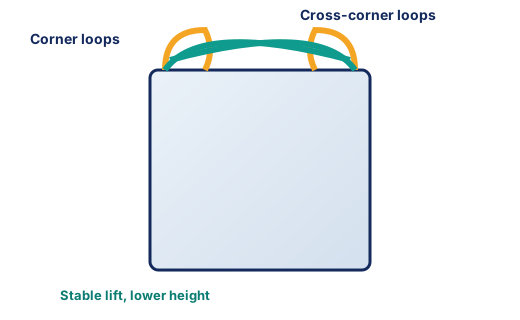
Lifting Loops4 corner loopsCross-corner for low headroom
Fabric Weight140–180 g/m²Higher where puncture risk exists
Inner LinerAluminium foil composite 0.10–0.15 mmIntegrated, not a loose insert
BarrierMoisture · oxygen · lightWVTR tested per batch on request
Liner SealingHeat-sealed / tapedSealing method agreed with your filling line
Printing1–2 coloursBatch and grade marking
ColourWhite (standard)No dark pigments in contact layers
Electrostatic TypeType AType C / D on request; see liner classes
CleanlinessLow-particle buildDust and fibre control at sewing
PackagingBale or pallet, wrappedKept sealed until filling
Customization options

What we adjust for your powder

Anode materials differ in density, sensitivity and the way they are filled. These are the settings we agree first.

Barrier

Foil composite

0.10–0.15 mm. Thicker foil for longer transit or humid destinations.

Sealing

Heat-seal / tape

Matched to your filling head; a poor seal wastes the whole barrier.

Top

Spout + tie

Allows filling and purging before the liner is closed.

Size

800×800×600 mm

Other low-profile sizes to fit your filling head and pallet.

Static

Type C / D

If the filling room is a classified dust zone, the bag changes type — not just the liner.

Liner class

L1C option

Conductive laminate for Type C service, bonded to ground. See L1 / L1C / L2 / L3.

Cleanliness

Low-particle sewing

Dedicated line area, bag turned and inspected before baling.

Testing

WVTR report

Water-vapour transmission and seal integrity on request.

Why this bag

What the foil layer actually buys you

A barrier is only as good as its weakest point

A foil laminate has excellent barrier figures in a lab. In the field, the failure is almost never the foil — it is the seal, a crease, or a puncture from handling.

  • Moisture — foil blocks vapour rather than slowing it, which PE cannot do
  • Oxygen — prevents surface oxidation and the capacity loss that follows
  • Light — blocks UV and visible light that degrade some coatings
  • Puncture resistance — 140–180 g/m² fabric around a creasable barrier
  • Complete discharge — low, wide bag empties more fully than a tall one
FIBC bulk bag shell for lithium battery anode powder
Bag shell before liner insertion — the outer fabric is structural, the liner is the barrier.
Applications

Where foil-lined bags are specified

Anywhere the moisture or oxygen spec is tighter than a normal PE liner can hold.
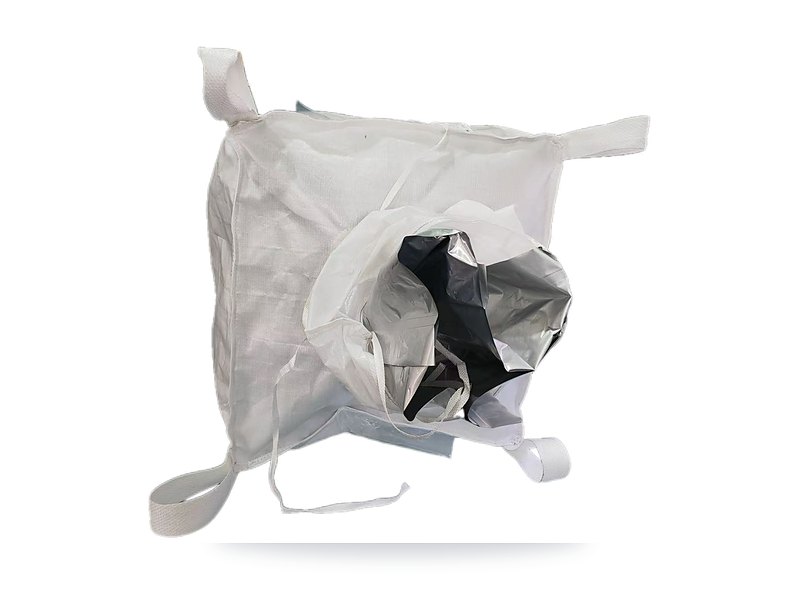
Aluminium-foil lined FIBC bulk bag for battery anode material

Graphite anode

Natural and synthetic graphite; moisture-sensitive at ppm level.
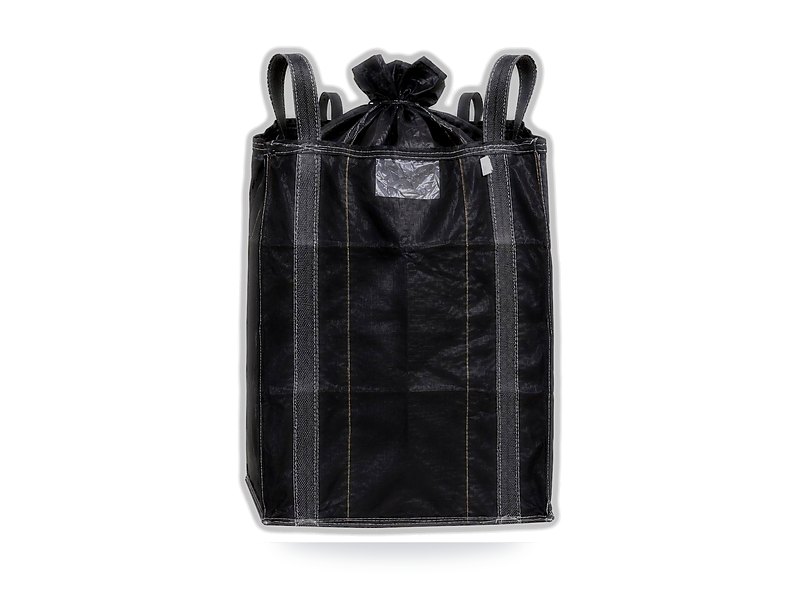
Conductive carbon-black FIBC bulk bag for Type C service

Conductive additives

Carbon black and CNT powders — barrier plus static control.
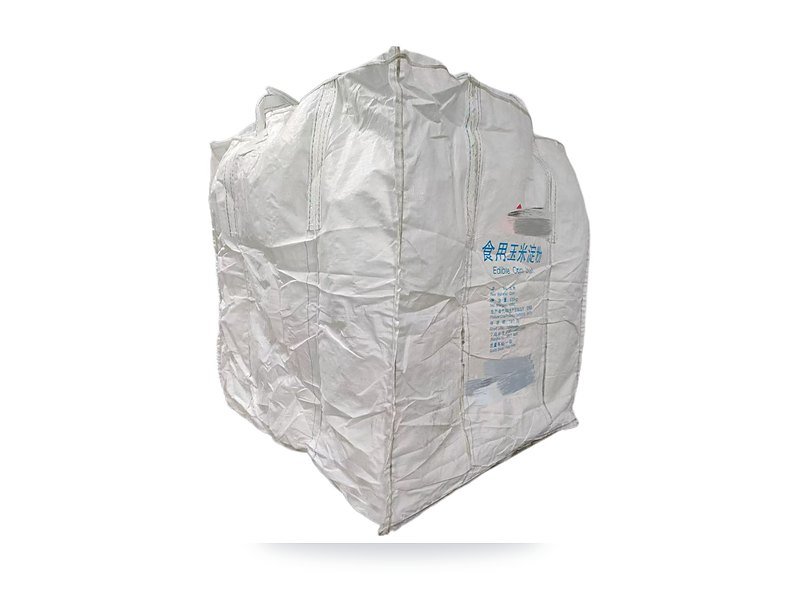
Starch FIBC bulk bag 900x900x1100 mm with food-grade liner

Other sensitive powders

Same barrier logic for hygroscopic chemicals and food ingredients.

Structure & details

Liner, spout and loop build

The liner is integrated at sewing, so the bag and the barrier are one unit by the time it reaches your line.
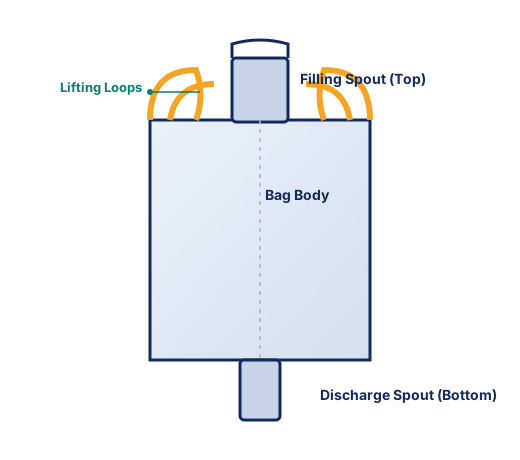
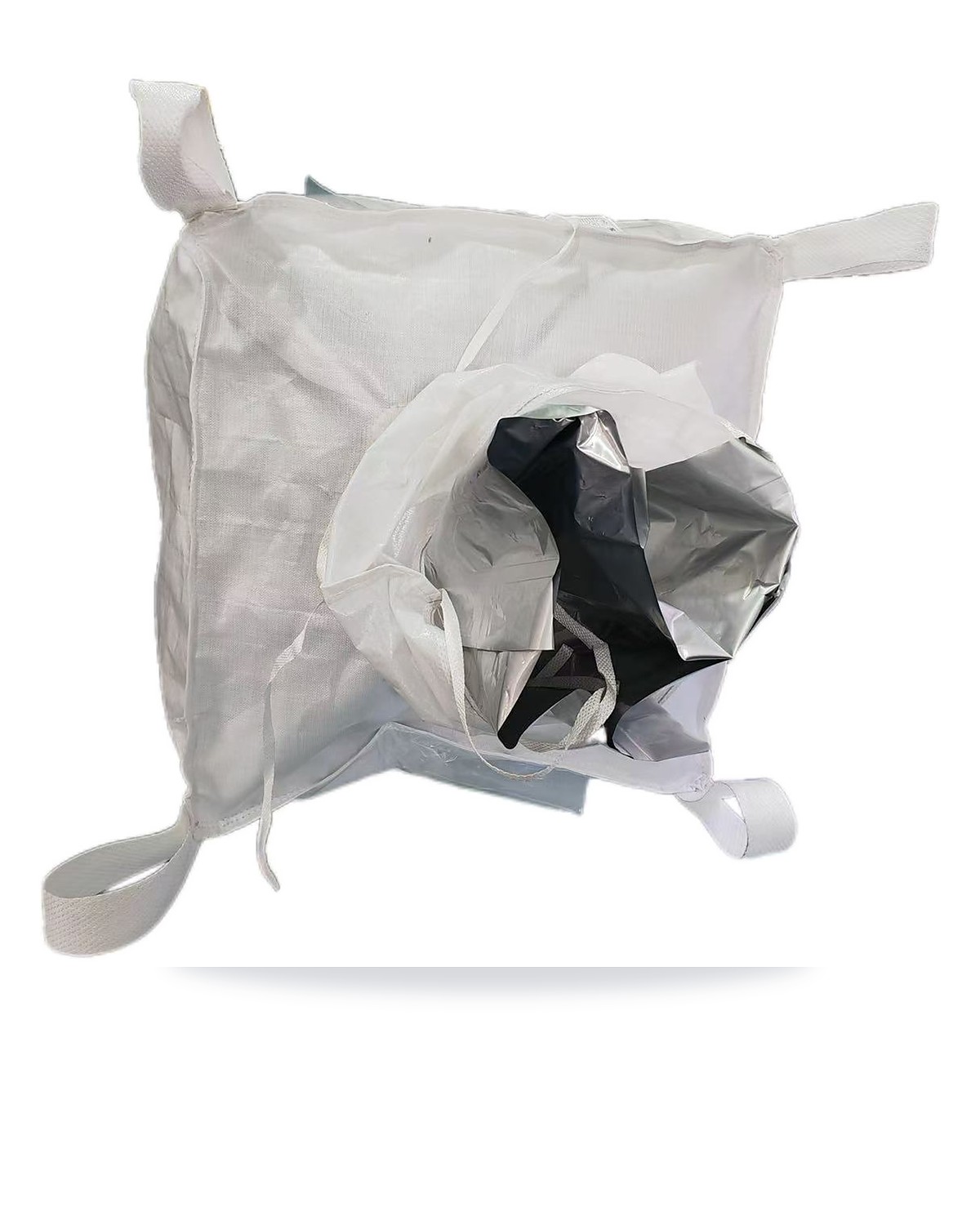
Diagram: FIBC with top filling spout and bottom discharge spout
Filling spout + discharge spout with the foil liner running through both.
Aluminium-foil lined FIBC bulk bag for battery anode material
Foil liner visible inside the open bag — the barrier is the working surface.
Diagram: FIBC corner and cross-corner lifting loops
Low bag, four corner loops — stable lift with a low centre of gravity.
Manufacturing

How the bag is made

Foil liner insertion is the step that decides whether the barrier survives to the customer.

01

Weaving

Heavy PP fabric for puncture resistance.

02

Cut & print

Cut to 800×800×600; low-ink print.

03

Foil insertion

Laminate cut, inserted and fixed without creasing the barrier.

04

Sew & seal

Bag sewn with liner in place; seal checked.

05

QC & bale

Seal integrity, cleanliness and bale condition.
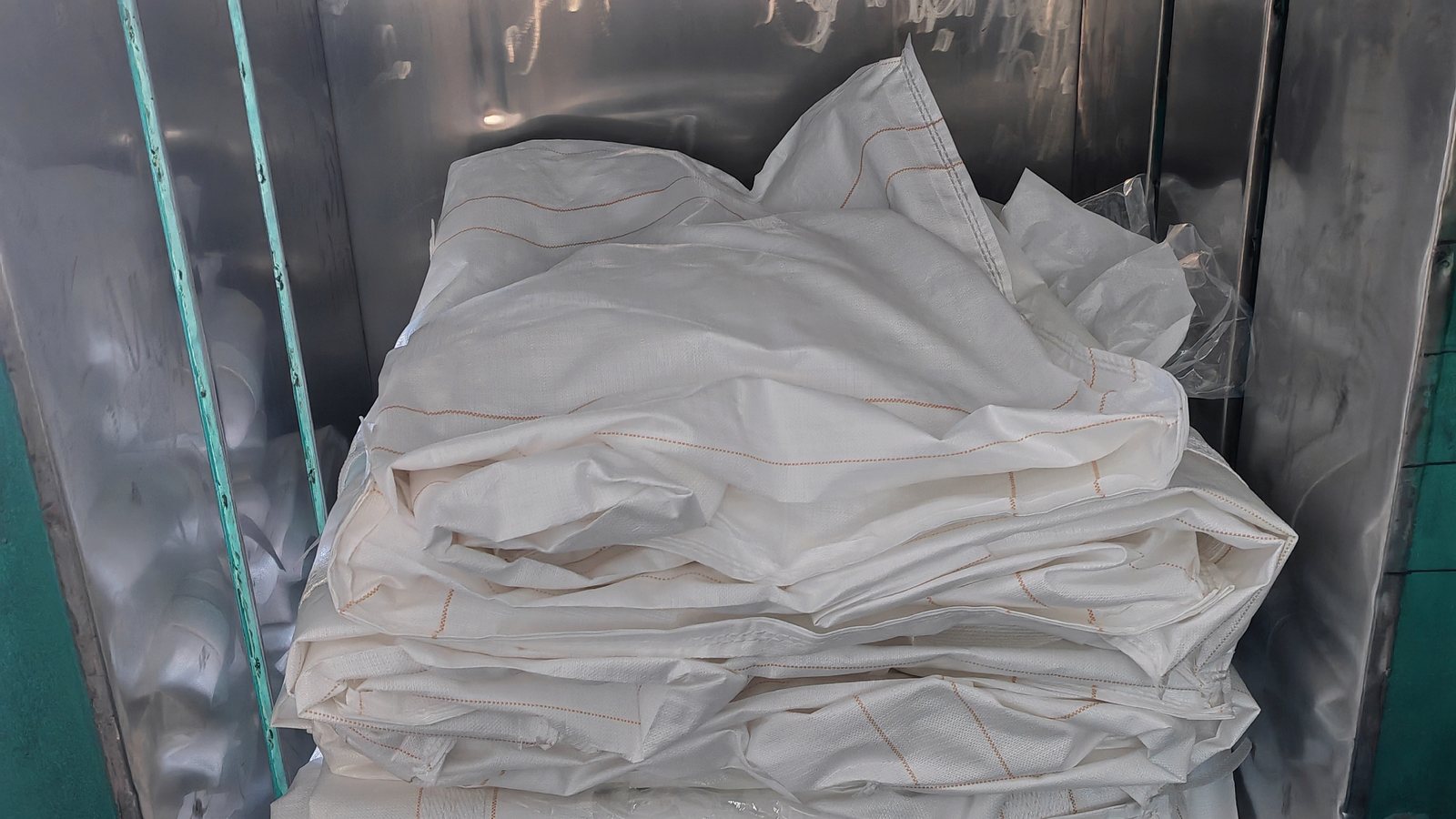
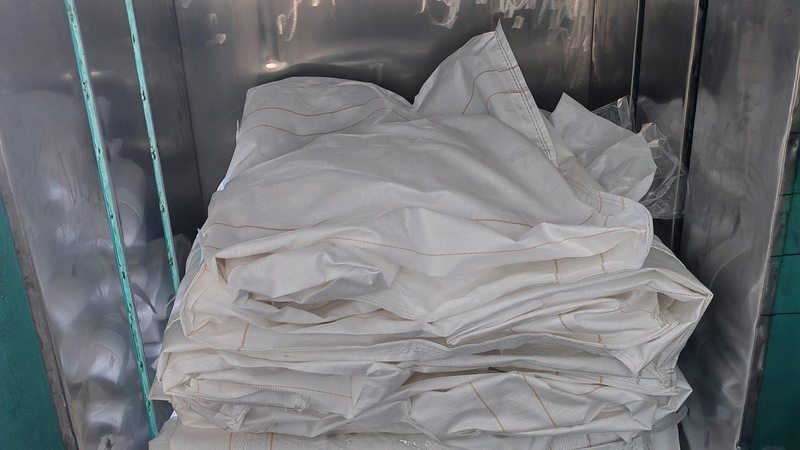
Liner insertion area in the FIBC workshop
Liner insertion area — where a crease becomes a leak.

Liner handling is the real skill

A foil laminate that is folded sharply during insertion will fail at the fold, no matter how good the film is. We insert and fix the liner with the bag opened flat, then inspect the seal and the fold lines before baling — the same reason we keep this work in-house.

See factory & capacity
Quality control

Checks for barrier bags

Woven PP fabric inspected on arrival
Foil incoming checkPinholes, ply bond and thickness verified on each roll.
Liner insertion area in the FIBC workshop
Insertion inspectionNo sharp folds, no barrier creased against the seam.
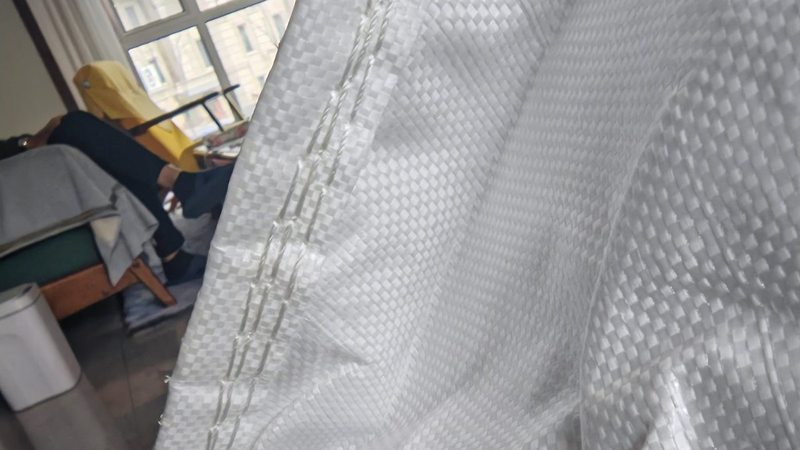
Fabric grammage and thickness measured
Seal integritySeal width and continuity checked on samples.
Final inspection before dispatch
Clean packingBag turned, inspected and baled wrapped until filling.

WVTR and seal-strength reports can be arranged per order. Barrier figures quoted by any supplier are only meaningful together with the sealing method and the handling conditions they were measured under.

How to order

Four steps from enquiry to delivery

Share the material spec

Powder type, density, moisture sensitivity and filling method.

Agree barrier & seal

Foil grade, sealing method, static type and cleanliness level.

Sample & seal trial

7–10 days; a seal trial on your filling head is worth the time.

Produce & ship

20–35 days; FOB Tianjin, CIF or DDP.

Commercial terms

MOQ, samples, lead time & terms

MOQ

500 pcs (standard)

Custom 1,000–2,000 pcs; trial orders special-approved.

Sample

3–5 working days

Standard sample free (freight collect); custom 7–10 days. Test report on request.

Lead time

15–25 days (standard)

Foil-lined builds typically 20–35 days from order confirmation & deposit.

Trade terms

FOB Tianjin / CIF / DDP

T/T 30% + 70% before shipment or against B/L copy; L/C at sight with guarantee; Sinosure accepted.
FAQ

Questions we get on foil-lined anode bags

Why use an aluminium foil liner instead of PE?+
PE slows water vapour down; aluminium foil stops it. Anode powders are sensitive at the ppm level, and foil also blocks light, which PE does not. The trade-offs are cost, weight and creasing — a foil liner has to be handled and filled with more care than a PE bag.
Is a foil-lined bag Type A or Type D?+
As built for dry, non-flammable handling it is Type A. If your filling room is a classified dust zone, the same bag can be built as Type C with a grounded conductive path, or Type D without grounding. That decision comes from your risk assessment, not from the product name.
Why is the bag only 600 mm high?+
Anode powder is dense and loads are usually 500–1000 kg, so a low, wide bag keeps the centre of gravity down and fits under low filling heads. A tall bag of the same weight stresses the base more and discharges less completely.
Can the liner be L1 or L1C?+
Yes, but those are Type C components. L1C is the multi-layer laminate with an internal conductive aluminium layer that must be bonded to the bag's grounding point — if you need it, the bag is a Type C bag with an L1C liner. See our liner classification.
How is the liner sealed after filling?+
Either heat-sealed on your line or closed with industrial tape over a folded neck, depending on your equipment. We agree the method before production, because the seal is where most barrier failures actually happen.

Request a quote for Battery Anode FIBC

Tell us the powder, your moisture limit and how the bag is filled and sealed. We will propose a foil grade and a sealing method, then price it — within 24 hours.

  • Product type is pre-filled below
  • Moisture or oxygen limit drives the barrier choice
  • Share your filling head type if you can
  • Get barrier proposal + price in 24h
Product: Battery Anode FIBC with Aluminium Foil Liner 800×800×600 mm
Thanks — your RFQ is ready to send from your email client. For fastest response, also message us on WhatsApp +8619902170898.