Technical explainers and side-by-side comparisons from our production training library — how bag types, liners, seams and structures actually differ, and what that means for a specification.
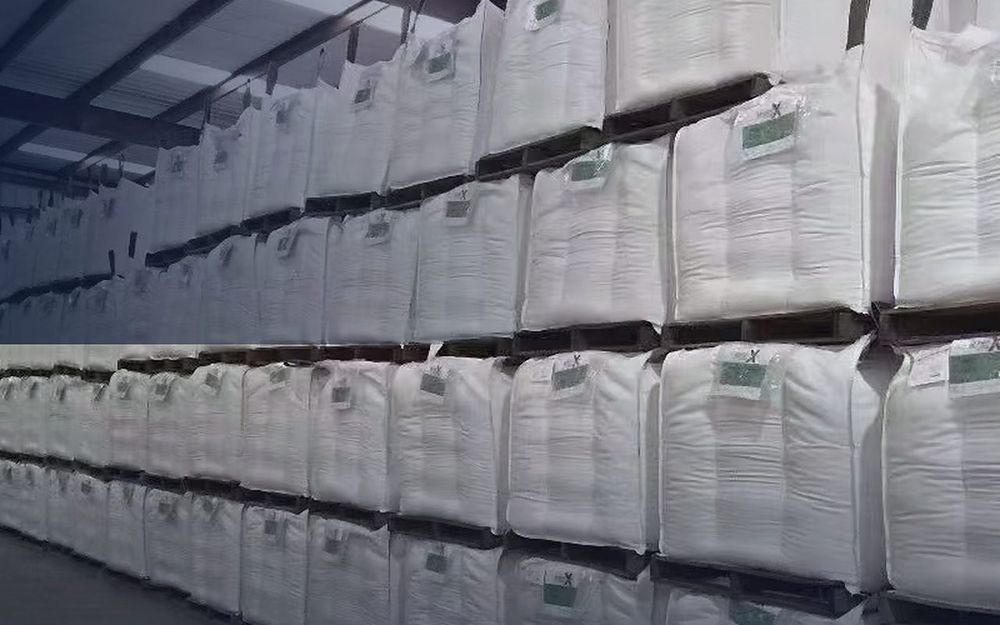 FROM PRODUCTION TRAINING LIBRARY
Written for procurement, EHS and packaging engineers. Each article ends with the decision it supports — not a sales pitch.
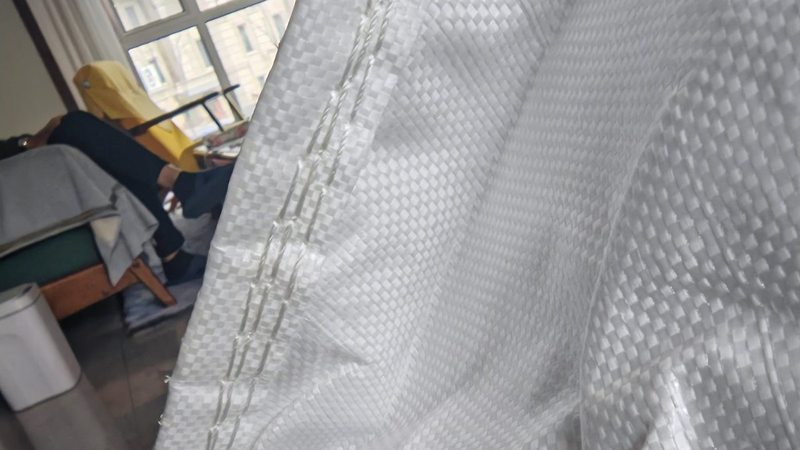
The four electrostatic types explained and compared: fabric, breakdown voltage, grounding and where each is permitted.
Read the explainer →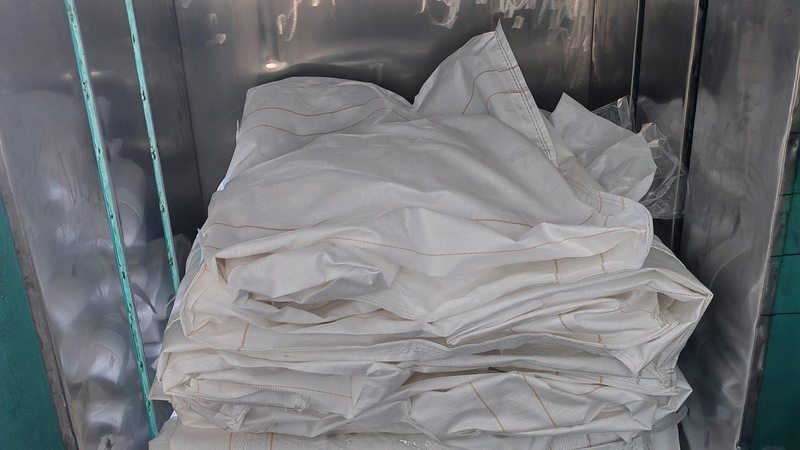
What standard PE, form-fitted PE and aluminium foil liners each protect against — and which powders need which.
Read the explainer →
No connection, direct sewing, tape-aided sewing and flash sewing — where each works and how it fails.
Read the explainer →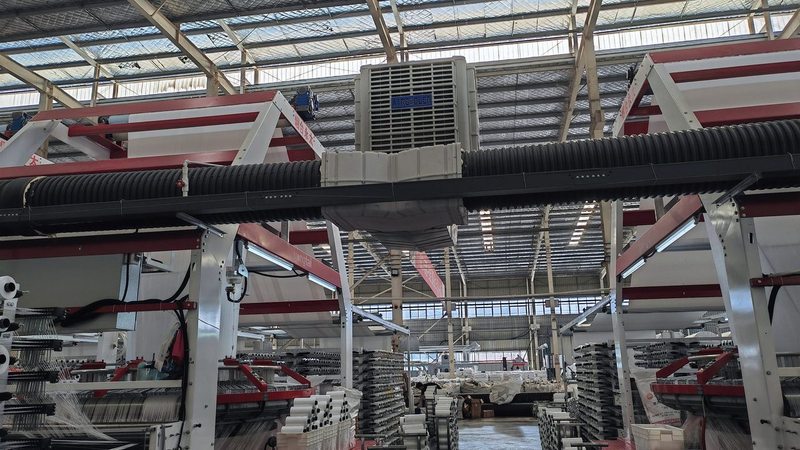
Three ways to build an FIBC body, compared on seams, shape control, leak risk and suitable bag types.
Read the explainer →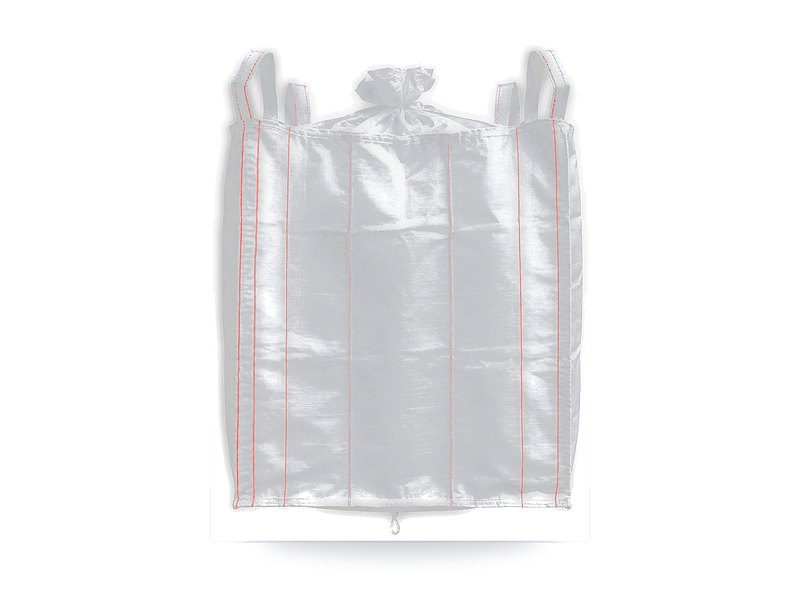
Why baffles keep a bag square, and why a form-fitted liner needs its own dedicated baffle.
Read the explainer →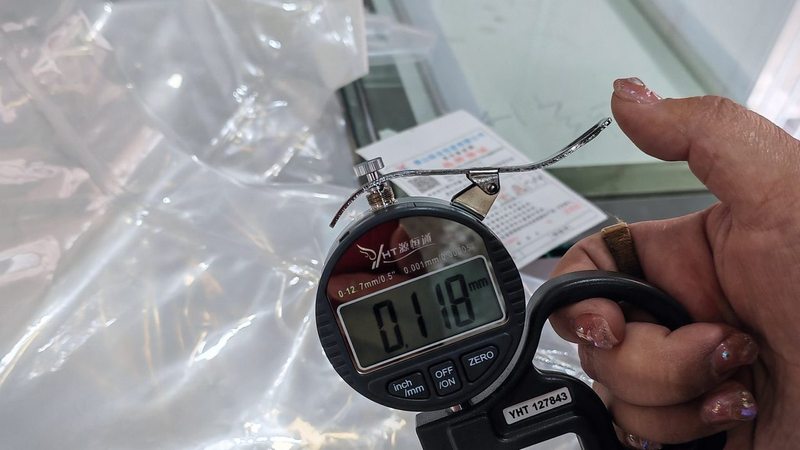
Sewing threads, leak-proof cords, inner/outer PE lamination, UV-resistant materials and bundling practice.
Read the explainer →Component-level engineering: electrostatic types, liner films, attachment methods, body construction, baffles, stitching and protection. Use it when you are writing or checking a specification.
Browse the topics →Process-level guidance: how to choose a bag, SWL and safety factor, grounding in practice, and selecting packaging for agriculture. Use it when you are running a purchase.
Open Buyer Guides →Send your powder characteristics and handling conditions — we will turn the comparison into a recommended build and a testable spec sheet.